You have seen the postcards from Sardinia.
They show the expensive yachts and bright white-sand beaches of Costa Smeralda. But what if the island’s real soul isn’t found on those famous shores? What if its greatest treasures are hidden just out of sight, waiting in its rugged heartland?

Discover Sardinia’s Hidden Gems in 2026
For many, a trip here means navigating the glamorous but often packed coastline. Yet, a second, more profound Sardinia exists for those willing to look beyond the brochure. This is the key to avoiding crowds. It helps you find an experience that feels truly yours. It is a journey that goes deeper than the sea’s shiny surface.
This is a land of secrets. Imagine finding hidden coves that tour boats overlook. Or tasting a family recipe that has been perfected over centuries, away from any tourist menu. What if you could stand inside a mysterious stone fortress older than Rome itself?
These are the real Sardinian hidden treasures, woven into the island’s mountains, villages, and ancient history. This guide is an invitation to go off the beaten path, swapping crowds for character and trendiness for timelessness.
How to Find Secluded Coves That Are Worlds Away from the Costa Smeralda
While Sardinia’s glittering Costa Smeralda gets most of the attention, its legendary beauty often draws large crowds. For a more exciting, authentic coastal experience, smart travelers look east to the Gulf of Orosei. This rugged shoreline offers the same electric-blue water but feels like a world of its own.
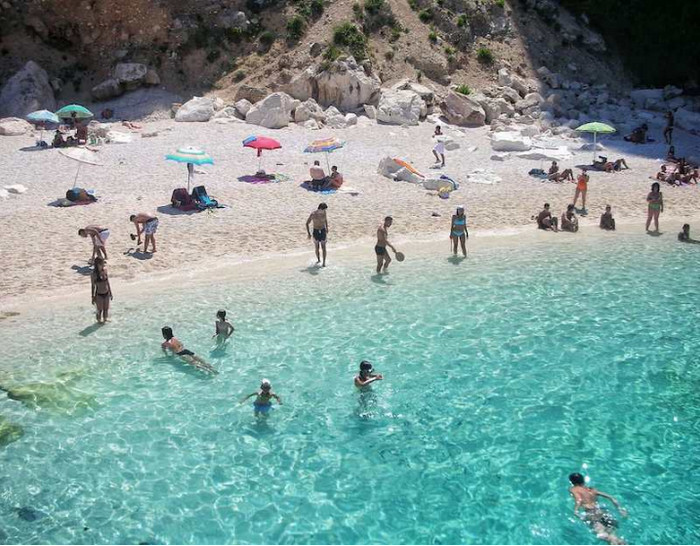
This dramatic stretch of coastline isn’t lined with sprawling, easily accessible beaches. Instead, it hides a series of treasures called cale (the plural of cala). These are small, beautiful coves carved into tall limestone cliffs. Think of them as secret beaches, each one a stunning reward for those willing to seek it out.
Getting to these jewels is part of the adventure. While a few of the most famous cale can be reached by challenging hikes, the best way to experience their splendor is by water. From the lively port town of Cala Gonone, you can take a boat tour. This tour visits beautiful spots. You will stop at places like Cala Luna and Cala Mariolu for amazing swims.
Exploring this wild coast will leave you with incredible memories and a healthy appetite. After a day of finding these hidden spots, there’s no better way to treat yourself. Enjoy the island’s other great secret: its real farm-to-table food.
What Is an Agriturismo? The Secret to Tasting Real Sardinian Food
To find the island’s true flavors, you have to leave the coast behind and head to an agriturismo. Think of it not as a restaurant, but as a charming farm-stay where you are welcomed into a family’s home.
It’s an invitation to enjoy real Sardinian hospitality. The meal you will eat is grown and raised close to your table. This isn’t just farm-to-table; it’s a taste of the land itself.
Forget ordering from a menu. At an agriturismo, you sit down to a generous, multi-course feast of whatever is in season. The experience often starts with a basket of pane carasau. This is a traditional shepherd’s bread. It is baked very thin and crisp. People call it “music paper” because of the sound it makes when you break it. It’s the perfect introduction to the rustic and satisfying flavors to come.
As the courses continue, you’ll sample homemade pastas, fresh cheeses, and vegetables from the garden. The undeniable star of any celebratory Sardinian meal, however, is porceddu. This is a whole suckling pig. It is seasoned with myrtle and slow-roasted over an open fire. The skin is perfectly crisp, and the meat is very tender. It’s a dish reserved for special occasions and a taste of tradition you won’t soon forget.

This kind of meal is more than just dinner; it’s a connection to Sardinia’s pastoral heartland. This same true spirit comes from the island’s rough interior. It is also alive in its historic towns. Here, centuries of culture are shown on the walls.
Lose Yourself in the Rainbow-Colored Streets of Bosa, Sardinia’s Most Charming Town
While many Sardinian villages are carved from rugged mountain stone, Bosa feels like it was plucked from an artist’s dream.
This town on the island’s west coast is a cascade of pastel-hued houses—pinks, yellows, and blues—that tumble down a steep hillside. If you are creating a non-touristy itinerary for Sardinia, getting lost in its narrow streets can be enjoyable. It lets you enjoy the island’s lively local culture away from the busy coastal areas.
What truly sets Bosa apart is its setting. It is one of the only towns in Sardinia built on the banks of a navigable river, the Temo. Bright fishing boats sway along the palm-lined waterfront. This scene feels more like a small, quiet Venice than a usual island town. Dominating the view from every corner is the medieval Malaspina Castle, perched on the hill above. The short walk up to its ancient walls is well worth the effort, offering a breathtaking panorama of the town and the sea beyond.
After exploring Bosa, sit down at a quiet café by the river. Ask for a glass of local Malvasia di Bosa. This is not your average table wine. It is a special, aromatic white wine.
It often has a hint of sweetness. This wine has been made here for centuries. It has apricot flavors and a unique almond finish. It tastes like Sardinian sunshine in a glass. It is the perfect reward after a day of exploring.
Bosa provides a gentle introduction to Sardinia’s inland soul, wrapping its history and character in charming coastal beauty.
To really understand the island’s wild heart, you must go further from the shore. Explore the dramatic landscapes that have shaped its identity for thousands of years.
Dare to Explore the Supramonte: Sardinia’s Wild, Mountainous Heart
Deep in the island’s center lies the Supramonte region, a vast, wild limestone mountain range that feels a world away from the gentle coast. This is the untouched heart of Sardinia. It has deep canyons, hidden caves, and old shepherd trails.
These trails have stayed the same for centuries. It’s the perfect answer for travelers looking for the most untouched part of the island. This place has raw power and stunning views, giving a deep sense of adventure.
The crown jewel of this region is the Gola di Gorropu. It is a huge canyon often called “Europe’s Grand Canyon.” The Flumineddu River carved it over thousands of years. Its tall limestone walls rise up to 500 meters (1,600 feet). This creates a stunning stone cathedral that is truly amazing. Standing at the bottom, gazing up at the sliver of sky between the towering cliffs, you feel humbled by the immense force of nature. This is an experience that connects you to the island’s ancient, geological soul.
You don’t have to be a hardcore trekker to experience it, either. The Gola di Gorropu canyon hike can be tailored to your comfort level.
A friendly trail takes you to the canyon’s entrance. It offers great views and a chance to climb over big white boulders. For those seeking adventure, a tough path leads deeper into the gorge. It offers you complete solitude in a wild, ancient world.
This raw, powerful landscape reveals a side of Sardinia that many visitors miss. It’s a testament to the island’s incredible diversity. Yet, just when you think you’ve grasped its identity, Sardinia reveals another surprising twist in its character.
On a small island off the southwestern coast, you will find a place that feels less like Italy. It feels more like a hidden corner of another world.
Discover Carloforte: The Sardinian Island That Feels More Like Northern Italy
You can find that surprising twist on the small island of San Pietro. It is just a short ferry ride from the southwestern corner of Sardinia. Here, the main town of Carloforte immediately feels like you’ve been transported hundreds of miles north.
You will see a lovely harbor with pastel-colored houses. The narrow, winding alleys look like they belong in the Italian Riviera near Genoa.
This isn’t an accident. The town was settled in the 18th century by fishermen from Genoa. They had been living on a small island off the coast of Tunisia called Tabarka.
When they migrated here, they brought their culture and traditions with them. To this day, locals speak Tabarchino. It is a unique dialect of the Ligurian language. It sounds very different from the Sardinian spoken just across the water.
This distinct heritage shines brightest on the dinner plate. Carloforte is the center of bluefin tuna fishing in the Mediterranean. You can enjoy this tradition in many ways, from grilled steaks to cured treats. In a nod to their time in North Africa, you will find couscous on the menu. This dish adds a unique touch to any non-touristy itinerary in Sardinia.
The easy journey makes Carloforte Island absolutely worth visiting. It’s a great day trip or a relaxing overnight stay. It offers a fascinating cultural experience.
It also reminds us of the many layers of history that have shaped modern Sardinia. But even this rich history is new compared to the island’s biggest secret: the many stone towers that are older than Rome.
What Are the Mysterious Nuraghi? Your Guide to Sardinia’s 3,500-Year-Old Towers
All across Sardinia’s rugged interior, you’ll find stone structures that look like giant, ancient beehives. These are the nuraghi, enigmatic Bronze Age towers. Constructed with incredible skill from massive stones stacked without any mortar, their true purpose remains a mystery. Were they fortresses, sacred temples, or the homes of powerful chieftains? This question is what makes them one of Sardinia’s most captivating secrets.
These towers are the most visible sign of the Nuragic civilization. This unique culture thrived here over 3,500 years ago, long before the Roman Empire existed. For centuries, these people dominated the island, creating a complex society with advanced skills. They did not leave a written language. Their story is told through the silent stones of the unique nuragic sites we can explore.
If you only visit one, make it Su Nuraxi di Barumini. This UNESCO World Heritage site is the most complete and complex example ever discovered. It’s not just a single tower but a sprawling fortress surrounded by the foundations of an entire village.
Walking through its narrow paths and old rooms feels like stepping into Sardinia’s prehistoric past. It connects you to the island’s rich and ancient spirit.
The incredible part is that Su Nuraxi is just the beginning. Over 7,000 nuraghi still dot the Sardinian landscape, from coastal hilltops to remote mountain valleys. Many are unexcavated, overgrown with vegetation, waiting to be discovered like a true treasure hunt. Finding them gives a deep feeling of connection to an ancient world. It shows that some of Sardinia’s best hidden treasures are far from the shore.
3-Step Plan to Find Your Own Sardinian Hidden Gem
Sardinia is no longer just a postcard-perfect beach. You can now see what lies beneath its bright surface. There are mysterious stone towers and a rugged heartland with old traditions. The island also offers unforgettable farm-to-table meals that share its true story. You’re ready to look beyond the coast and find the treasures most visitors miss.
Transforming this knowledge into an actual adventure is simpler than you think. Building your own off-the-beaten-path Sardinia trip comes down to a few key steps:
- Pick Your Treasure: Start by focusing your curiosity. Are you looking for quiet coves by the coast, the old history of the Nuragic people, or real food from an agriturismo?
- Choose Your Base Camp: Instead of big resorts, pick a smaller town like Bosa or a rural farm stay. This will be your starting point for exploration.
- Get the Keys: This is the one non-negotiable rule. To truly unlock the island’s secrets, you must rent a car. It is the absolute key to freedom and adventure.
The best Sardinia non-touristy itinerary won’t be found in any guidebook; it’s the one you create yourself. It’s the surprise turn down a dirt road, the nice talk at a local market, and the quiet beach just for you. Go discover your Sardinia.