Think Carnival in Italy is just elegant masks in Venice? You’re missing out on about 90% of the party—including the country’s biggest food fight.
Every year before the quiet season of Lent begins, Italy erupts into a nationwide celebration of food and fantasy. Choosing the right celebration is important. Not all Carnivals are the same, and your choice can make a good trip unforgettable.

Carnival in Italy 2026: Top Events & Traditions
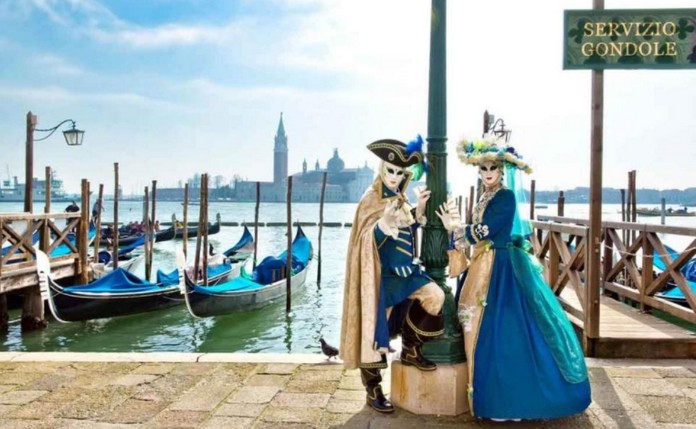
For the romantic and history lover, the classic vision of Venice holds true. Its celebration is a stylish and almost dramatic event. It features mysterious masks, fancy balls, and gondola parades on shining canals. The atmosphere here is full of mystery and history. Getting lost in the city’s foggy alleyways adds to the magic.
But a short trip away on the Tuscan coast, the contrast between Venice and Viareggio’s Carnival becomes clear. Viareggio’s party is a loud, family-friendly spectacle famous for its colossal parade floats. Think of it like the Macy’s Thanksgiving Day Parade.
The big papier-mâché creations are funny, sharp takes on politics and pop culture. It’s a vibrant, seaside festival bursting with energy.
For adventurers looking for excitement, the answer is north.
It can be found in the historic Battle of the Oranges in Ivrea. This is not just a parade; it’s a lively reenactment of a medieval uprising. Thousands of people fill the streets for Italy’s biggest food fight. It’s chaotic, exhilarating, and utterly unique.
Venice Carnival 2026: Your Guide to Elegance and Mystery
Many people dream of going to a fancy Venetian masquerade ball. You don’t need a costly ticket to feel the magic. The true heart of the Venice Carnival is in its streets and canals. The festivities start on the weekend of February 7-8 and continue until Fat Tuesday on February 17, 2026. The whole city turns into a stage.

Costumed people move past old buildings, making perfect pictures at every corner. You can fully immerse yourself in this elegant spectacle, and some of the best events are completely free to watch. “Mark your calendar for these must-see public celebrations. They showcase the most famous sights of the Venice Carnival.”
- The Venetian Festival on the Water: The grand opening on the Cannaregio Canal has a great water parade. It features decorated boats, music, and amazing costumes.
- The Flight of the Angel (Volo dell’Angelo): On the first Sunday, see a costumed acrobat make an amazing descent. They will zip-line from the St. Mark’s bell tower into the busy square below.
- The “Festa delle Marie” Parade: A beautiful historical event where twelve local women wear stunning Renaissance costumes. They are escorted through the city.
A great tip to avoid the biggest crowds during the Venice Carnival is to leave the chaos of St. Mark’s Square behind. When the main piazza feels overwhelming, wander into the nearby residential districts, known as sestieri.
Exploring the quieter canals and charming backstreets of Cannaregio or Castello provides a more authentic glimpse of Venetian life.
You’ll still see plenty of people in elaborate masks and costumes, but with the space to actually breathe and soak in the atmosphere. But if elegant mystery isn’t your style, perhaps you’d prefer a party with a more modern, satirical bite.
Viareggio Carnival 2026: Why Giant Satirical Floats are a Must-See
If the calm charm of Venice isn’t for you, then the lively and funny Carnival of Viareggio might be just right. This celebration takes place in the seaside town of Viareggio in Tuscany. It is famous for its huge papier-mâché floats. Known as carri allegorici, these are not just decorations; they are towering, moving masterpieces of satire.
Each year, artists use them to poke fun at politicians, celebrities, and social issues with breathtaking creativity and humor. Imagine a 60-foot-tall sculpture rolling down the street. It is both a work of art and a political cartoon. This is the unforgettable sight of Viareggio.
Unlike the citywide celebrations in Venice, Viareggio’s charm lies in five major weekend parades. These parades, called Corsi Mascherati, happen before Fat Tuesday.
This focused Viareggio Carnival parade schedule for 2026 makes planning a trip incredibly easy. You simply buy a ticket for a specific parade day and join the cheering crowds along the seaside promenade. The energy is electric. Music is loud, and confetti fills the air as these amazing floats move down the street.
The entire event feels like one giant, joyous street party, making it an exceptionally family-friendly option. You will see some people in fun and traditional Italian carnival costumes. The dress code is casual, and the focus is on fun for everyone. It’s a place where children and adults alike can marvel at the spectacle. But if you think giant floats are wild, wait until you hear about Ivrea’s Battle of the Oranges.
Ivrea’s Battle of the Oranges: Are You Brave Enough for Italy’s Biggest Food Fight?
For true adventurers, the historic Battle of the Oranges in Ivrea 2026 is a unique Italian carnival. You will not want to miss it. This isn’t just a random food fight. It’s a strong reenactment of the city’s freedom from a medieval tyrant.
As the legend goes, a brave miller’s daughter defied the ruler, sparking a citizen revolt. Today, thousands of townspeople are split into teams and set out on foot.
They represent the revolutionaries. These teams throw tons of oranges at guards riding in carts. This wild event lasts for three days.
Before you imagine total chaos, the battle is surprisingly organized, and there’s a crucial rule for spectators. You can watch safely from behind big nets. Or, you can join the crowd in the streets by wearing a Berretto Frigio—a soft, red cap. This “liberty cap” signals that you’re a fellow revolutionary and not a target for the orange-throwers. It’s an absolute must if you want to get close to the action without getting covered in pulp.
This thrilling event creates an atmosphere that is intense, messy, and pulsing with local pride. It is not for the faint of heart, but it gives a strong connection to history like no other. That red hat is the most important thing to know for the Italian carnival in Ivrea. But what about the other celebrations?
What to Wear to an Italian Carnival (Hint: You Don’t Need a Full Costume)
After looking at photos of beautiful historical gowns and masked figures, choosing what to wear can feel scary. But unless you’re attending a private masquerade ball, you don’t need a costume at all. For most public events, like the parades in Viareggio and the Venice Carnival 2026, people dress for fun. They wear warm coats, comfortable shoes, and a scarf for the February weather. Your primary goal is to stay warm and walk for hours.
In Venice, the best way to enjoy the magical atmosphere is to buy a mask upon arrival. You’ll find hundreds of shops selling everything from simple, elegant eye masks to more elaborate creations. Buying real Venetian masks from a local artist lets you join in the tradition and gives you a great souvenir. Pop on your new mask with your regular winter clothes, and you’ll instantly feel like part of the spectacle without any of the fuss.
Ultimately, the golden rule for Carnival is to dress for the experience you want.
The elaborate period costumes are typically worn by dedicated performers or those with tickets to exclusive, high-end balls. For everyone else, having fun is easy. Just add a little flair, like a mask, a funny hat, or some confetti.
Sure! Here’s a simplified version of the text:
“Looking the part is one way to enjoy the culture. The quickest way to feel the celebration is through its unique flavors.”
A Taste of Carnival: 3 Unforgettable Italian Sweets to Try
Just as masks and parades appear for a few magical weeks, so do special sweets you won’t find any other time of year. For Italians, Carnival isn’t complete without these fried, sugary treats. They are a key part of the “last party” before Lent.

The most iconic of these are chiacchiere (pronounced kya-KEY-air-ay), whose name amusingly translates to “chatter.” These are delicate, crispy ribbons of fried dough, impossibly light and dusted with powdered sugar. They shatter delightfully with every bite, making them a delicious and slightly messy street-side snack. Knowing what to eat during Carnival starts with these crispy treats.
You will also find heaps of golden, round temptations.
In Venice, look for frittelle, which are soft, airy dough balls similar to gourmet donuts, often filled with luscious pastry cream. You might find castagnole, or “little chestnuts.” They are small, dense treats that sometimes have a hint of rum or anise.
These tasty snacks are the main attraction in every pastry shop window. They are sold fresh and warm from street stalls. Grabbing a paper cone filled with these treats is a key part of the Carnival experience. It’s also great fuel for your adventure.
How to Buy an Authentic Venetian Mask (and Avoid Tourist Traps)
Bringing home a Venetian mask is a classic travel goal, but the city is flooded with cheap, mass-produced plastic imports. A true Venetian mask, a tradition stretching back centuries, isn’t plastic—it’s made from cartapesta, or papier-mâché. These masks are handcrafted, lightweight, and slightly flexible, designed for hours of wear at elegant balls. Choosing one is about finding a piece of wearable art, not just a souvenir.
So how can you tell the difference? An authentic mask feels surprisingly light and will show small imperfections that signal it was made by hand, not a machine. The most important trick is to turn it over. A real mask made by a local mask-maker will usually have a studio stamp or signature inside. This is the surest sign you’re holding a piece of Venetian heritage, often tied with soft fabric ribbons instead of a cheap elastic band.
To find these treasures, you’ll need to step off the main path between the Rialto Bridge and St. Mark’s Square. Venture into the quieter streets and canals of neighborhoods like the Dorsoduro district. Here, you’ll stumble upon small workshops where you can often see the artisans at their craft, surrounded by paints and works-in-progress. Buying your mask directly from the person who made it transforms a simple purchase into a memorable story.
Beyond the Big Three: Discover Italy’s Hidden Gem Carnivals
The “Big Three” attract large crowds from around the world.
In contrast, southern Italy has celebrations that are deeply local and full of amazing art. For travelers looking for a less-crowded yet magical experience, these small-town carnivals in Italy are great. They offer a more personal and lively atmosphere.
In the heart of Puglia, the heel of Italy’s boot, the Carnival of Putignano is one of Europe’s oldest. Its roots go back over 600 years. This historic celebration is great for travelers in the South. It features giant papier-mâché floats and a friendly town festival atmosphere. Visitors will feel very welcome here.
On the island of Sicily, the Acireale Carnival has something special. The floats are not decorated with paper. Instead, they are covered with thousands of fresh flowers.
These fragrant, colorful masterpieces create a stunning sight against the city’s beautiful baroque architecture. Choosing one of these gems is a great start for a regional trip. It lets you explore a different side of Italy’s party spirit.
Your Italian Carnival Adventure Starts Now
You can imagine yourself in the romantic charm of Venice.
You might cheer at the funny parade floats in Viareggio. Or you could join the Wild Orange Battle in Ivrea. Now, you can pick the Italian Carnival that matches your travel style. The next step is turning that vision into a reality.
For a trip in February 2026, it is smart to book flights and hotels six to nine months early. This helps you get the best prices and availability. Pick your party, mark your calendar, and get ready for an unforgettable adventure.