Italy Grand Tour: 15-Day Itinerary Highlights
Imagine this: sipping an espresso in a sunny square in Rome.
You can see the beautiful Duomo in Florence. Then, you can relax as you float through the peaceful canals of Venice. This is the classic Italian adventure, a trip filled with moments that stay with you forever. Many travelers find connecting these famous cities difficult. This can turn a dream vacation into a stressful challenge.
The first question that pops into most planners’ minds is a big one: Is 15 days enough to see Italy? For a journey focused on the country’s most celebrated treasures, the answer is a confident yes. This is a great time to enjoy the highlights of the classic Italy tour. You can visit Rome, Florence, and Venice. You won’t feel overwhelmed. This daily plan gives you a practical schedule. It is full of activities and is well-timed for a smooth adventure.
Your Pre-Trip Checklist: When to Go and How Much to Budget
Choosing when to visit Italy is your first big decision. It affects both your experience and your budget. While summer is popular, it’s also hot, crowded, and expensive.
For the best balance, aim for the “shoulder seasons”—April through May and September through October. During these months, you’ll enjoy pleasant weather, fewer crowds at major sites, and slightly lower prices.
With your dates in mind, you can tackle the big question: how much does a two-week trip to Italy cost? Your travel style is the biggest factor, and the trip is possible on a lean budget or with a splash of luxury. The key is to know where your money is going—primarily flights, accommodation, food, and activities.

Here is a general guide for a 15-day trip. This does not include international airfare, which can vary significantly.
- Saver (~$3,000/person): Hostels, pizza/panini lunches, regional trains.
- Mid-Range (~$5,000/person): 3-star hotels, mix of trattoria dinners and casual lunches, pre-booked high-speed trains.
- Comfort (~$7,500+/person): 4-star hotels, guided tours, fine dining, private transfers.
Your choices for accommodation and dining make the biggest difference. Another major variable is how you choose to get from one city to the next. For this Grand Tour, mastering the train system is your secret weapon.
How to Travel Between Cities: Why the Train is Your Best Friend
For this itinerary, the train is the better choice by a wide margin over renting a car.
Driving into Italy’s historic centers can be stressful. Most of these areas have a ZTL (Limited Traffic Zone). Unauthorized cars can get steep fines. Navigating narrow streets and finding expensive parking are headaches you don’t need.
Italy’s high-speed trains are a comfortable and quick way to explore the country. They take you right to the center of each city. Modern trains connect hubs like Venice, Florence, and Rome in just a few hours, traveling at speeds up to 186 mph (300 km/h).
You’ll primarily use two competing operators: Trenitalia (the national railway) and Italo. Both are excellent, so check both websites for the best deal.
The most crucial tip is to book these trains 1-3 months in advance.
This single step can cut your ticket price by more than half. When booking, select the correct stations to save time and confusion. For the journey from Venice to Florence, depart from Venezia Santa Lucia and arrive at Firenze Santa Maria Novella.

Days 1-3: Arriving in Venice, The Floating City
Your adventure begins the moment you arrive in Venice, where there are no roads—only canals. Your first task is to get to your hotel using the city’s public transit:
the vaporetto (a floating city bus). Finding your hotel through the maze of alleyways is part of the fun, so embrace getting wonderfully lost from the start.
The heart of the city is Piazza San Marco (St. Mark’s Square), home to the glittering St. Mark’s Basilica and the magnificent Doge’s Palace.
To avoid spending hours in line, you must book your entry tickets online well in advance. This transforms your visit from one of waiting to one of wonder.
While the main attractions are incredible, the best way to experience Venice is to put the map away and wander. Here’s a simple plan:
- Day 1: Arrive, take the vaporetto, and get lost exploring the canals near your hotel.
- Day 2: Morning visit to your pre-booked sights, followed by a classic afternoon gondola ride.
- Day 3: Explore the bustling Rialto Market and cross the famous Rialto Bridge.
After three days in the floating city, it’s time to head inland to the birthplace of the Renaissance.
Day 4: Journey to Florence
On the morning of Day 4, grab a final Venetian pastry and walk to the station. Leaving the canals behind, your journey to Florence is an adventure in itself.
Find your reserved seat on the modern, comfortable train, store your luggage, and watch the Italian countryside blur past your window. In just over two hours, you’ll be pulling into Florence, ready to step into the heart of the Renaissance.
Days 5-6: Florence, the Heart of the Renaissance
Welcome to Florence, a city built by artistic geniuses. Your itinerary focuses on two legendary collections. The Accademia Gallery is home to Michelangelo’s breathtaking statue of David. A short walk away, the Uffizi Gallery holds a staggering collection of masterpieces, including Botticelli’s iconic Birth of Venus.
Important advice for Florence: you should book tickets for the Accademia and Uffizi galleries online. Do this at least two to three months in advance. Tickets sell out completely, and standby lines can be over three hours long. A few minutes of planning will save you an entire morning of your vacation.
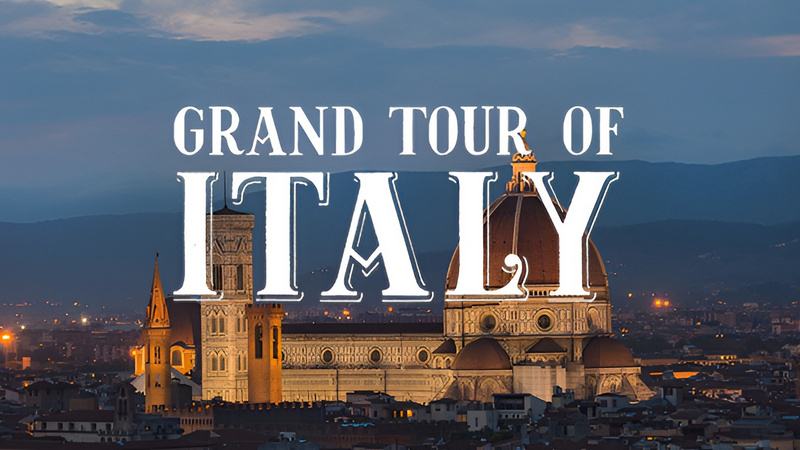
Beyond the galleries, Florence’s skyline is dominated by the Duomo.
While entry into the cathedral is free, the real adventure is climbing the 463 steps to the top of Brunelleschi’s dome. This requires a separate, timed-entry ticket that must also be booked well in advance. The climb is tight, but the reward is an unforgettable view of the dome’s interior frescoes and the city below.
For the most breathtaking and free view of Florence, cross the Arno River to Piazzale Michelangelo. This hilltop square offers the definitive panoramic postcard shot of the entire city. It’s an absolute must-see, especially as the sun begins to set.
Day 7: A Taste of Tuscany with an Easy Day Trip
After two days immersed in art, it’s time to see Tuscany’s iconic rolling hills and charming towns. Florence is the perfect launchpad, and you don’t need a car. You have two fantastic options: explore a historic city or indulge in the region’s famous wine.
For medieval magic, take the direct, one-hour bus to Siena. This historic rival to Florence feels like another era. Its heart is the magnificent Piazza del Campo, a unique, shell-shaped square where you can relax and soak in the atmosphere. This is a great self-guided option.
If you’d rather sip your way through the countryside, book a small-group Chianti wine tour. This is the easiest and safest way to see the famous vineyards.
A guide handles all the driving and planning. These tours typically visit one or two wineries for tastings and include a scenic drive through cypress-lined hills. It’s a perfect, relaxing break before you continue south.
Days 8-11: Rome, The Eternal City, and Vatican City
A short train ride from Florence delivers you to the heart of ancient power:
Rome. The sheer scale of the Eternal City is best managed with a smart, geographical plan. To save time while traveling, we’ve organized the icons into daily zones. This lets you walk between most sights.
- Day 8: Arrival & Evening Wonders. After you check into your hotel, take a nice evening walk (passeggiata) to the well-preserved Pantheon. Then, toss a coin into the beautiful Trevi Fountain.
- Day 9: Ancient Rome. Immerse yourself in history at the Colosseum, Roman Forum, and Palatine Hill. All three are included on a single ticket, which you must book online in advance.
- Day 10: Vatican City. Explore the world’s smallest country. Start with the breathtaking St. Peter’s Basilica (free entry), then visit the Vatican Museums and the Sistine Chapel. Pre-booking your museum ticket online is non-negotiable to avoid multi-hour queues.
- Day 11: Art & Atmosphere. Make a reservation for the beautiful Borghese Gallery. Then, spend the afternoon at the Spanish Steps. After that, wander through the lovely, ivy-covered streets of Trastevere for dinner.
After four days of monumental history, you’ve earned a change of pace as you head toward the glittering sea.
Optional Days 12-14: How to Add the Amalfi Coast
If you dream of pastel villages cascading down to a sparkling sea, you can add a whirlwind trip to the Amalfi Coast. This action-packed add-on rewards you with stunning scenery. The key is using Sorrento as your strategic home base, which simplifies the logistics.
From Rome, take a high-speed train to Naples (just over an hour). From the Naples station, switch to the local Circumvesuviana train. Think of it as a regional commuter line that efficiently takes you to Sorrento in about an hour.
From your base in Sorrento, the postcard-perfect Amalfi Coast is at your fingertips. The town is a major transportation hub, offering easy day trips by ferry or bus.
This allows you to visit the famous cliffside village of Positano without the high cost of staying there. Spend Day 13 on a ferry. Explore the steep streets of Positano. Then, return to Sorrento for a final Italian dinner. On Day 14, you can travel from Sorrento directly back to the Naples airport for your flight home.
Final 5 Mistakes to Avoid on Your Grand Tour
To ensure your trip is as smooth as the perfect panna cotta, avoid these common travel mistakes. These small cultural tips will help you save money, avoid fines, and navigate with confidence.
- Not validating regional train tickets. For slower regional trains, you need to stamp your paper ticket. Use a small machine, usually green or yellow, on the platform before you board. Forgetting this can lead to a hefty fine.
- Over-tipping. Most restaurant menus include a service charge (servizio). Tipping isn’t expected, but rounding up the bill by a few euros for great service is a welcome gesture.
- Ordering a cappuccino after 11 AM. Italians consider milky coffee a breakfast-only drink. To blend in, switch to an espresso after lunchtime.
- Touching produce at markets. Simply point to what you’d like, and the vendor will select and bag it for you.
- Relying only on a credit card. Always carry some euros. You’ll need cash for small purchases like gelato, city taxes at your hotel, and many smaller shops.
Your Italian Dream Awaits
The path is clear to visit Italy’s famous attractions. You can explore the canals of Venice. You can enjoy the art in Florence. You can discover Rome’s history. A workable plan transforms an overwhelming dream into an achievable adventure.
Every day is full of famous sights and chances for lasting memories. You can see the Colosseum and enjoy the sunset over the Tuscan hills.
The only thing left to do is take that first, exciting step. It’s time to book your first ticket and turn this Grand Tour of Italy into your reality.