That postcard image of a sun-drenched Italy?
It’s real, but it’s only a fraction of the story. Many travelers often forget about the foggy winters in Milan and the rainy autumns in Florence. This Italy Weather by Month guide breaks down what to expect so you can plan for the Italy that actually exists.
Italy Weather by Month Guide: Seasons & Tips
The secret to decoding Italy’s weather is to stop thinking of it as one place.
Because of its long, boot-like shape, the country is best understood as three distinct regions. Knowing the Italian climate zone of your destination is key. It helps you pack the right clothes and plan activities.
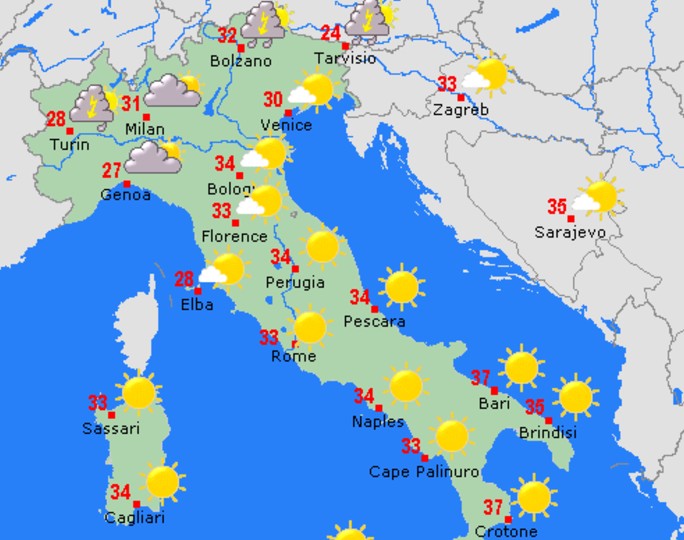
An easy way to visualize this is to compare Italy to the U.S. East Coast.
The north has four distinct seasons, much like New York, while the south enjoys long, hot summers that feel more like Florida. This simple mental model makes predicting the weather for any part of the country surprisingly straightforward.
The framework is simple. The climate of Northern Italy (Milan, Venice) features cold winters and warm, humid summers. Central Italy (Rome, Florence) has milder winters and hot, dry summers. Finally, the climate of Southern Italy (Naples, Sicily) is known for its very mild winters and consistently scorching summer heat.

What to Expect in Winter (December, January, February): Cozy Cities and Snowy Peaks
Winter changes Italy into two different experiences.
In the north, it becomes a snowy wonderland. In the central and southern areas, it offers crisp, quiet charm. While you won’t find sunbathing weather, you’ll discover fewer crowds and lower prices. Temperatures vary widely depending on your location. A trip to Milan will feel very different from a trip to Sicily.
To plan your packing, it’s best to think of the country in its three climate zones.
The temperature drops a lot from north to south. The northern areas feel real winter cold, while the south stays mild.
- North (Milan, Venice): -1 to 7°C / 30 to 45°F
- Central (Rome, Florence): 4 to 13°C / 39 to 55°F
- South (Palermo, Naples): 9 to 15°C / 48 to 59°F
If you’re dreaming of a white Christmas, your best bet is heading for the mountains. The Italian Alps and Dolomites offer world-class skiing and breathtaking snowy landscapes. In cities like Rome and Florence, however, snow is rare.
You can expect cool, often wet days. These days are great for visiting museums and enjoying cozy trattorias. Plus, you won’t have to wait in long summer lines. Just be sure to pack a warm coat, a scarf, and comfortable waterproof shoes. As the chill of winter begins to fade, Italy prepares for the blooming landscapes of spring.
What to Expect in Spring (March, April, May): Blooming Landscapes and Unpredictable Showers
As Italy awakens from its winter slumber, spring arrives with blooming wildflowers and longer, sunnier days. This season brings a refreshing energy to the cities and countryside. The weather can be very changeable, especially in March and early April.
It can go from bright sunshine to chilly rain in just one afternoon. The key is to come prepared for a little bit of everything.
For many travelers, late spring is the perfect time to visit. This period is often called the “shoulder season”—the sweet spot between the quiet of winter and the rush of summer. In April and May, you can enjoy warm weather.
The country is in full bloom, but it is not too hot. You can avoid the large crowds of July and August. It’s ideal for comfortable sightseeing.
Temperatures climb throughout the season, but the difference between north and south remains noticeable. You’ll find the south warms up much faster than the alpine regions.
- North (Venice): 9 to 21°C / 48 to 70°F
- Central (Florence): 10 to 24°C / 50 to 75°F
- South (Sicily): 12 to 22°C / 54 to 72°F
So, what to pack for Italy in spring? The simple answer is layers.
A t-shirt, a sweater, and a light, waterproof jacket will keep you comfortable through any temperature swings. For those wondering if May is a good month to visit Sicily, the answer is a resounding yes. The island is beautifully warm and perfect for sightseeing or even early beach days before the real summer heat arrives. This pleasant warmth is a welcome prelude to the glorious sun of the Italian summer.
What to Expect in Summer (June, July, August): Glorious Sun and Intense City Heat
That glorious sun arrives in full force for summer, delivering the classic Italian holiday experience. June, July, and August have long, hot, and sunny days. This makes them the best time for beach trips. The Mediterranean turns into a warm bath.
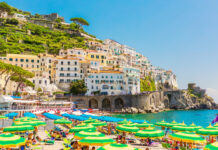
In summer, the sea temperature on the Amalfi Coast reaches a nice 26°C (79°F). This is perfect for swimming and sunbathing. This is the time for sipping Aperol spritzes in a coastal piazza and enjoying late, lingering dinners outdoors. Be aware that, with the fantastic weather, come the biggest crowds and the highest prices of the year.
However, the relentless sun can make sightseeing a challenge in major cities. The stone buildings and paved streets in places like Rome and Florence trap heat, making the afternoons feel much hotter than the coast. For those wondering how to deal with summer heat in Florence, the best advice is to adopt the local rhythm. Plan your museum visits and walking tours for the early morning or late afternoon.
- Use the hottest part of the day, which is from 1 p.m. to 4 p.m.
- Have a long, relaxing lunch in the shade.
- You can also rest at your hotel.
Not all of Italy bakes equally, though. While the south is consistently hot and dry, the north offers more variety. The high Dolomites offer a cool escape for hikers.
This is a great time for a climate guide for the Italian lakes. Afternoon breezes bring welcome relief from the heat.
- North (Lake Como): 19 to 29°C / 66 to 84°F
- Central (Rome): 20 to 32°C / 68 to 90°F
- South (Amalfi Coast): 23 to 30°C / 73 to 86°F

What to Expect in Autumn (September, October, November): Golden Light and Returning Rains
Autumn in Italy has two parts. It offers great travel weather before moving into the calm of winter. Early autumn, in particular, is a sweet spot.
The hot summer days end, the crowds get smaller, and a warm golden light fills the countryside. This makes it a dream for photographers.
For many experienced travelers, September and October are the ideal months to visit. The weather in Tuscany in autumn is especially pleasant, perfect for wine tasting during the harvest season. In cities, the change is a nice relief.
The average temperature in Rome in October is a comfortable 22°C (72°F). This makes it great for long days of sightseeing, even in the summer heat. The sea also remains warm enough for swimming well into September, especially in the south.
As the season progresses into November, however, the mood shifts. Temperatures drop, and the days grow shorter and rainier. This is particularly true in the north, where it creates a unique phenomenon in Venice. The city can experience acqua alta, or “high water,” when high tides and winds cause canals to overflow into streets and squares.
The city has raised walkways, but you may still find yourself walking through St. Mark’s Square in waterproof boots. It’s an unforgettable, though wet, experience. November is often the rainiest month in Venice.
- North (Venice): 8 to 21°C / 46 to 70°F
- Central (Tuscany): 11 to 22°C / 52 to 72°F
- South (Naples): 14 to 24°C / 57 to 75°F

So, What’s the Absolute Best Time to Visit Italy for Good Weather?
There isn’t just one answer to the best time to visit Italy for good weather. The best month for a sunny beach holiday in Sicily is very different from the right time for a quiet museum tour in Florence. The best time truly depends on your travel style.
For most travelers who want to see cities and the countryside, the best time is the Italian shoulder season. This is from April to June and again from September to October. During these months, the weather is usually warm and nice. It is great for walking tours and eating outside. You can avoid the hottest summer heat and the largest crowds. It’s the classic “have your cake and eat it too” scenario for an Italian vacation.
If you dream of a classic Mediterranean beach escape, aim for the hot, sunny days of July and August. Just be ready for intense heat in the cities.
In contrast, an Italy off-season weather guide would point you toward winter (November to February). You will need a warm coat and an umbrella. However, you will enjoy the lowest prices. You can also see famous sites without large crowds.
Choosing when to go is a balance.
You need to think about the weather, how much you can handle crowds, and your budget. To make that final call, ask yourself a few key questions before you book.
Italy Weather by Month Checklist:
3 Questions to Ask Before You Book
Italy is a land of diverse climates, where the weather in the Alps is worlds away from Sicily’s shores. Understanding this diversity is the key to planning a trip that’s not just good, but perfectly tailored for you. Use this simple checklist to choose the perfect dates for your trip.
- Which regions will I visit (North, Central, or South)?
- What is my primary activity (e.g., city sightseeing, beach holiday, hiking)?
- What is my tolerance for heat, cold, and crowds?
Answering these questions creates your personal action plan. For example, the brilliant sun perfect for a beach holiday can make for an exhausting sightseeing day in Florence.
By considering your main activities, you can choose a season that suits your dream trip. This way, you can start planning with confidence.