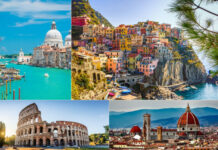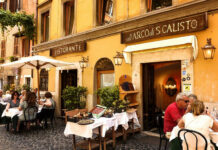
Picture it: a sun-drenched piazza, a scoop of creamy gelato in hand, the sound of lively Italian chatter filling the air.
This is the dream of summer in Italy that draws millions. But that perfect postcard moment, especially between June and August, rarely happens by accident. To find your bliss without the burnout, you need a plan that goes beyond just booking a flight.
Summer in Italy Guide: Weather & Travel Tips
The reality of Italian summer travel involves two main challenges: intense heat that can make city sightseeing exhausting and crowds that lead to long lines for everything from the Colosseum to a simple coffee. For many, this comes as a surprise, turning an anticipated dream trip into a stressful marathon. The secret to a magical trip isn’t avoiding summer, but embracing it with smart preparation.
This guide provides the strategy for choosing the right regions to escape the worst of the heat, essential tips for navigating the busiest sites, and the insight you need to make your journey incredible. With the right approach, you can move past the crowds and heat to find the unforgettable Italy you’ve been hoping for.
Is it Too Hot in Italy in Summer? A Realistic Weather Guide
Let’s be direct: yes, Italy can be intensely hot in July and August. But the blanket term “hot” doesn’t capture the full picture, because summer weather in Italy is a story of three distinct regions. The North, near the Alps and Dolomites, offers a reprieve, with warm days and cooler, mountain-air evenings. Central Italy, home to Florence and Rome, is where the heat becomes serious. Finally, the South and the islands of Sicily and Sardinia are reliably hot and sunny, delivering perfect beach weather but challenging sightseeing conditions.
This regional difference isn’t just about the number on the thermometer; it’s about how the heat feels. In landlocked cities like Rome, you’ll encounter what Italians call caldo afoso—a heavy, humid heat that can feel draining by midday. Further south, you might experience the sirocco, a hot, dry wind that blows up from Africa. It can raise temperatures suddenly and make the air feel like it’s coming from a hairdryer, especially in Sicily. Understanding these differences is key to choosing the right destination for your comfort level.
To put this into perspective, here’s a look at average high temperatures you can expect for a typical day in July:
- Milan (North): 85°F (29°C), often with humidity.
- Rome (Center): 88°F (31°C), very hot and humid.
- Palermo, Sicily (South): 86°F (30°C), but it’s typically a drier heat unless the sirocco brings added intensity.
How to Escape the Heat:
Why Northern Italy is a Summer Sanctuary
If the thought of battling humid, 90-degree days in a packed city sounds less like a vacation and more like a chore, it’s time to look north. While Central and Southern Italy swelters, Northern Italy becomes a sanctuary of pleasant weather. Here, nestled against the Alps, the summer experience is entirely different—think warm days perfect for exploring, followed by refreshingly cool evenings. It’s the ideal solution for travelers who want the beauty of Italy without the oppressive heat.
For those who crave adventure, the Italian Dolomites are a world-class destination. This spectacular mountain range offers some of the best summer hiking in Europe, where you can trade crowded streets for sprawling green meadows and well-marked trails beneath dramatic, pale-grey peaks. The air is crisp, the views are breathtaking, and it provides an active way to enjoy Italy’s natural splendor while staying comfortably cool. It’s an entirely different kind of “summer in Italy” that more and more travelers are discovering.
Perhaps your ideal escape involves more lakeside lounging than mountain trekking. In that case, the famous Italian Lakes region offers another cool haven. Destinations like Lake Como and Lake Garda are synonymous with sophisticated relaxation. Here, you can spend your days exploring charming lakeside towns, taking ferry rides across the sparkling water, and enjoying an aperitivo (a pre-dinner drink) with a stunning alpine backdrop. But if your heart is still set on the historic hubs down south, you’ll need a different strategy.

Rome, Florence & Tuscany:
A Survival Guide for Summer Crowds
For many, an Italian summer itinerary isn’t complete without the Renaissance masterpieces of Florence and the ancient grandeur of Rome. While these cities are magnificent, in July and August, they also become a true test of endurance against heat and crowds. The secret to a successful trip isn’t to skip them; it’s to outsmart the masses by adopting a local rhythm that prioritizes comfort and enjoyment over a frantic checklist.
First, understand that booking major attractions in advance is no longer optional. One essential tip for visiting the Colosseum in summer is to secure your ticket online weeks, if not months, in advance. Hoping to walk up and buy entry on the day is a recipe for spending hours in a sweltering line, only to be potentially turned away. The same non-negotiable rule applies to icons like the Vatican Museums and Florence’s Uffizi Gallery. This single step will transform your trip from one of frustration to one of awe.
Next, you’ll want to embrace the local secret weapon against the midday sun: the riposo. This is the traditional afternoon rest, typically from around 1 p.m. to 4 p.m., when many family-run shops close and Italians retreat indoors. Instead of fighting it, join them. Use this time for a long, leisurely lunch in the shade or a nap back at your air-conditioned hotel. You’ll avoid the peak heat and feel recharged for the cooler, more pleasant part of the day.
This daily rest perfectly sets you up to explore when the cities are at their most magical. An early morning stroll through a quiet Tuscan hill town or an evening visit to the Trevi Fountain after the tour groups have dispersed offers a completely different, more intimate experience. By structuring your days this way, you can fully enjoy the history without the burnout. It’s a rhythm that works just as well when you head further south, where the sun shines even brighter on the coast.
Amalfi Coast vs. Puglia:
Choosing Your Perfect Southern Beach Trip
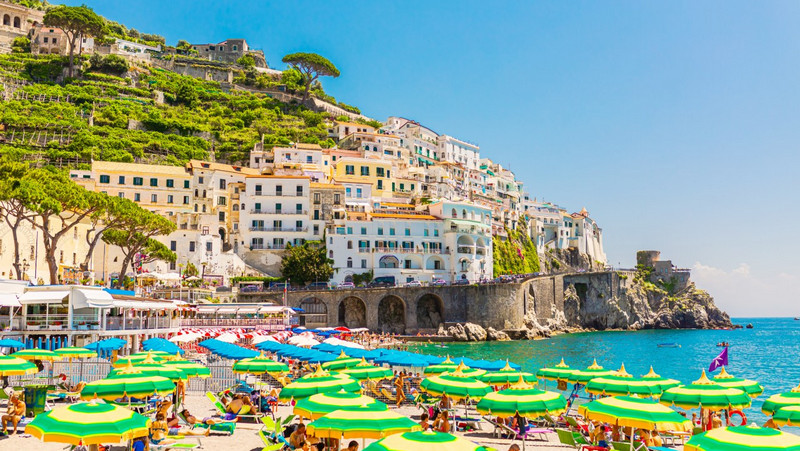
When most people dream of an Italian seaside escape, the dramatic, cliff-hugging villages of the Amalfi Coast are what come to mind. It’s a landscape of breathtaking vertical beauty, glamorous hotels, and iconic towns like Positano cascading down to the sea. This is the Italy of postcards, promising romance and spectacular views at every hairpin turn.
That world-famous beauty, however, comes with world-famous crowds and peak-season prices in the summer. For travelers who are comparing options like the Amalfi Coast vs. Cinque Terre in summer, the reality can be packed buses and tiny, crowded pebble beaches. If your ideal trip involves more relaxation and less competition for space, it’s time to discover one of Italy’s best-kept secrets and one of the best, less crowded alternatives to the Amalfi Coast: Puglia.
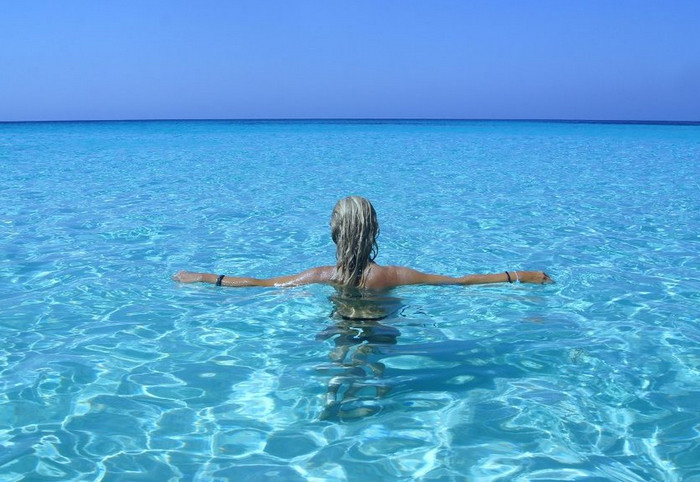
Located in the “heel” of Italy’s boot, Puglia offers a completely different, more laid-back coastal experience. Instead of vertical cliffs, you’ll find miles of sprawling golden-sand beaches and some of the cleanest turquoise water in the country. The region is famous for its rustic charm, from the unique, cone-roofed trulli houses to vast olive groves and a food scene that is both exceptional and refreshingly affordable. It’s a place where you can find your own stretch of sand and truly unwind.
Of course, the choice doesn’t end there. For travelers wondering which of Sardinia or Sicily offers the best beaches, each has its own unique appeal. Sicily masterfully blends ancient Greek temples with a vibrant coastline, while Sardinia is legendary for its wild, almost Caribbean-like coves. Whichever stunning coast you choose, packing correctly is key to staying comfortable under the southern sun.

What to Pack for Summer in Italy: 10 Essentials
Packing for an Italian summer is a masterclass in balancing comfort with cultural awareness. The single most important tip is to prioritize breathable fabrics.
Lightweight linen and cotton clothing will be your best friends, helping you stay much cooler than with synthetic materials. While daytime style is relaxed, you’ll also be visiting ancient churches and enjoying evening meals, where dressing with a little more care is both practical and appreciated.
To handle everything from sunny piazzas to sacred cathedrals, make sure these travel essentials are on your packing list for a summer trip to Italy.
- Linen or Cotton Clothing: Think loose shirts, trousers, and dresses.
- Comfortable Broken-In Shoes: You will walk for miles on cobblestones. Comfort is non-negotiable.
- A Light Scarf: An absolute must-have. You’ll need it to cover your shoulders to enter most churches.
- Reusable Water Bottle: Stay hydrated by refilling it at the many free public water fountains.
- Wide-Brimmed Hat & Sunglasses: The sun is intense, especially during midday sightseeing.
- Reef-Safe Sunscreen: Protect your skin and the beautiful Mediterranean Sea.
- Portable Power Bank: For keeping your phone charged during long days of navigating and taking photos.
- Crossbody Bag: A secure and hands-free way to carry your essentials in crowded areas.
- Swimsuit: Essential for the coast, but also great for a hotel pool to escape the afternoon heat.
- A Dressier Outfit: For joining the locals in the evening passeggiata (stroll) or a nice dinner out.
With your bags smartly packed, the next challenge is figuring out the best way to get around.
How to Get Around Italy in Summer: Trains, Cars, and Costly Mistakes
Once your cities are chosen, the best way to hop between them is almost always by high-speed train. Italy’s rail network is fast, modern, and connects major hubs like Rome, Florence, and Venice in just a few hours, delivering you directly to the city center.
You have two excellent choices: Trenitalia, the national railway, and Italo, a private competitor. For the best prices, treat your train ticket like an airline ticket—booking Italy train travel in advance can save you a significant amount of money compared to buying it on the day of travel.
While the dream of renting a car and cruising through the countryside is tempting, driving in Italy during summer, especially within cities, can quickly turn into a nightmare. Most historic centers are designated as Zona a Traffico Limitato (ZTL), or limited traffic zones. If you see a sign with a white circle and a red border, do not drive past it. These areas are monitored by cameras, and crossing into one, even for a moment, will trigger an expensive fine that is automatically mailed to you months later.
The best strategy is to combine your transport methods. Use the efficient high-speed trains for your main city-to-city journeys. Only consider renting a car for specific days when you plan to explore the deep countryside of regions like Tuscany or Sicily, where public transport is less frequent. This approach gives you the freedom of a car when you need it and saves you the stress and expense of navigating city driving rules, making it perfect for your Italian summer itinerary.

Traveling in August?
Why You MUST Understand ‘Ferragosto’
If your travel dates fall in mid-August, there’s one cultural event you absolutely need to plan around: Ferragosto. Celebrated on August 15th, it’s a massive national holiday that essentially shuts the country down for vacation. Think of it as Italy’s version of the 4th of July and Labor Day combined, with nearly the entire population heading for the coast or mountains to escape the city heat for a week or two.
The impact on your trip can be dramatic and varies by location. Coastal towns and islands will be at their absolute peak capacity, with hotels and beach clubs booked solid and prices at their highest. In contrast, major cities like Rome or Milan can feel surprisingly quiet. You might find that your must-visit neighborhood restaurant has a sign on the door reading “chiuso per ferie“—closed for the holidays. While major tourist sites typically remain open, the city’s rhythm changes completely.
If you must travel during the week of Ferragosto, booking your accommodation, transport, and even popular restaurants months ahead is non-negotiable.
For a more relaxed trip with more spontaneity, simply shifting your dates to June, July, or September will make a world of difference. Understanding this single holiday can be the key to a fantastic, and not a frustrating, Italian vacation.
Summer in Italy:
Your 4-Step Action Plan for an Unforgettable Trip
That postcard-perfect vision of an Italian summer is now within reach. Armed with essential travel tips, you can build an itinerary that sidesteps the main pitfalls of heat and crowds. Here is a simple 4-step plan to get you started:
- Choose Your Region: Decide between the North, Central, or South based on your ideal balance of heat and crowds.
- Book the Big 3 Early: Secure your flights, accommodation, and non-negotiable museum or site tickets well in advance.
- Pack Smart: Prioritize light, breathable fabrics and your most comfortable walking shoes to stay cool.
- Adopt the Italian Pace: Plan your main activities for the morning, rest during the afternoon heat, and savor long, leisurely evenings.
The difference between a stressful trip and a magical one isn’t luck; it’s preparation. You now have the insider knowledge to sidestep the pitfalls and embrace the rhythm of Italian life. Go find your sun-drenched piazza and that perfect scoop of gelato—you’ve earned it.