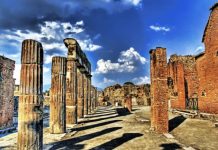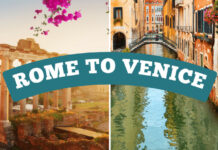
Picture this: You’ve just spent three incredible hours exploring the Roman Forum.
The history is breathtaking, but now you’re starving. You walk out to a dozen restaurants with waiters waving you in. Which is an authentic gem, and which is an overpriced trap? It’s a classic moment of overwhelm.
Avoid Tourist Traps in Italy: 10 Authentic Travel Tips
That feeling of uncertainty is common. A tourist trap isn’t just about the money you spend. Experienced travelers know it’s about the unforgettable meal or the real souvenir you missed. This guide shows you the easy warning signs for restaurants and shops. It helps you avoid traps and discover the true essence of the country, one tasty bite at a time.

Tip 1: Use the ‘Three-Block Rule’ to Find Better Food and Shops
After hours of exploring the Colosseum or the Vatican, the temptation to sit at the nearest café is huge. But this is often where you’ll find the highest prices and lowest quality. Before you settle for convenience, remember the single most effective strategy for sidestepping a trap: the ‘Three-Block Rule’.
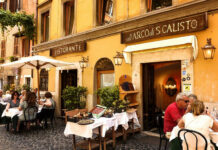
The logic is simple economics. Restaurants and shops directly facing a world-famous landmark pay extreme rent. They can thrive on a steady stream of one-time visitors. This means they have less reason to make great food or offer fair prices that would bring locals back. When you leave a major site, purposefully walk three blocks away from the main square. You will notice the atmosphere change as the crowds get smaller. Menus become more focused, prices are lower, and shopkeepers seem more open to real conversations.
Tip 2: How to Spot a Tourist-Trap Restaurant Before You Sit Down
Now that you’ve ventured a few streets away, your odds of finding an authentic meal have skyrocketed. “Before you sit down, a quick check at the entrance can help you find the best meals.” A great restaurant rarely needs to show you what food looks like or beg you to come inside. Keep an eye out for these three major red flags:
- Laminated photo menus. Authentic restaurants build their menus around fresh, seasonal ingredients that change often. A permanent, glossy photo album signals the exact opposite.
- An aggressive host on the street. Often called “touts,” these hosts work to lure you in. A restaurant that relies on quality and local regulars doesn’t need to beg for your business.
- A large sign for a “Menu Turistico.” This is perhaps the biggest warning sign. The tourist menu has a multi-course meal for a surprisingly low price. However, the quality is often sacrificed to keep that price.
Tip 3: Decode Your Italian Bill: What ‘Coperto’ and ‘Servizio’ Mean
One of the most common surprises in Italy happens when the check arrives. You may notice a charge you don’t recognize. Don’t worry—it’s probably the coperto. This is a standard fee for bread and table setting, charged per person. This isn’t a hidden tax but a legal cover charge that should be printed on the menu.
Less frequently, you may see a line item for servizio incluso. This is a “service charge,” or a built-in tip, that some restaurants add automatically. While the coperto covers your spot at the table, the servizio is for the waitstaff’s service. If you see servizio on your bill, no extra tip is needed. If it’s not there, a large 15-20% tip isn’t expected like it is in the U.S. Simply rounding up the bill or leaving a few extra euros is a perfect gesture of appreciation.
Tip 4: The Two-Second Test to Tell Real Gelato from Fake
After a satisfying Italian dinner, nothing beats a scoop of authentic gelato.
But beware: the brightest, most photogenic mounds of gelato are often the biggest tourist traps. When you see gelato piled high in fluffy, gravity-defying mountains, it’s a major red flag. That impressive swirl is pumped full of air and artificial stabilizers.
Instead, look for the signs of true craftsmanship. Real gelato is made with natural ingredients. This means its colors are soft, not bright. For example, pistachios should be a dull brownish-green, not a bright green. The best items are often kept flat in metal tins. Even better, they are stored in lidded metal containers called pozzetti. This method prioritizes quality over a flashy display, keeping the gelato at the perfect temperature. A quick two-second test can help you find natural colors and flat surfaces. This can lead to a better and more flavorful experience.

Tip 5: Why You Shouldn’t Order Spaghetti Bolognese in Rome
Might that headline seem strange—isn’t Bolognese famously Italian?
While true, the sauce is from Bologna, hundreds of miles north of the capital. Italy’s food culture is fiercely regional. Ordering a dish far from its home often results in a generic, disappointing meal for tourists.
If a Roman menu has Spaghetti Bolognese, it shows the restaurant is for tourists, not locals. A genuine Roman spot is too busy perfecting its own classics. So, when in Rome, eat what the Romans eat.
Here’s a simplified version of the text, split into shorter sentences:
Check out their favorite pasta dishes. Some options include Cacio e Pepe, made with cheese and pepper. Another choice is Carbonara, which includes egg, cheese, and pork. You can also try Amatriciana, a dish with tomato and pork cheek sauce.
Tip 6: Is It Real? How to Spot Authentic Italian Leather in Florence
Just as with food, shopping for authenticity in Florence comes down to a few key details. The city is famous for leather, but its popular markets are also flooded with fakes. Before you even look at a bag, use your nose. Real, authentic Italian leather has a rich, earthy smell, while fakes often reek of chemicals or plastic.
Next, run your hands over the surface. Genuine leather is a natural hide, so it has character—tiny imperfections, pores, and subtle variations in the grain. A perfectly uniform, flawless texture is a major red flag for a machine-pressed synthetic. Finally, trust the price tag. Crafting genuine leather goods is a skilled trade, and the price will reflect that. If a “leather” jacket costs €50 near a major landmark, it’s not real.
Tip 7: Is a Gondola Ride in Venice Worth It? And What to Do Instead
The classic Venetian gondola ride is iconic, but is it worth the price? A private 30-minute trip has a fixed official rate of around €90. While undeniably romantic, it’s a significant expense for a short experience.
For a quick, authentic taste of canal crossing, do what the locals do: use a traghetto. These are stripped-down gondolas that ferry people across the Grand Canal for just a few euros. It gives you the same on-the-water feeling for a fraction of the cost. If you’re after scenic views without the splurge, the public water bus (vaporetto) is your best bet. Grab an outdoor seat on Line 1 for a cheap and spectacular tour of the city’s waterfront palaces.
Tip 8: Swap Overcrowded Cities for These Stunning Alternatives
One of the best strategies for escaping tourist gridlock is to embrace Italy’s incredible “second cities.” This doesn’t mean skipping the icons entirely, but choosing a nearby, less-famous town as your home base. You get all the regional charm with a fraction of the crowds and a more authentic local rhythm.
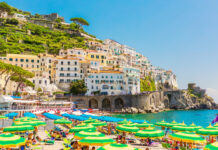
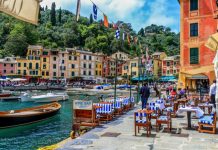
Consider the Italian Riviera. Instead of battling the throngs in Cinque Terre, explore the equally stunning fishing village of Camogli.
If you dream of Tuscany but find Florence too busy, visit Lucca or Montepulciano. These places have lovely cypress-lined views and more space to relax.
Tip 9: For an Unforgettable Stay, Try an ‘Agriturismo’
To take that ‘one step over’ strategy even further, consider staying in an agriturismo. The name comes from Italian words for agriculture and tourism. That’s what it is: a working farm that offers rooms to travelers. It is one of the best ways to experience local Italy.
Forget searching for an authentic restaurant—here, the best food comes right to you. An agriturismo experience is centered on incredible, hyper-local meals, often made from ingredients grown steps from your door. You aren’t just another tourist; you’re a guest, often welcomed by the family who runs the farm. These stays are surprisingly affordable and offer an unforgettable travel memory.
Tip 10: The Secret Weapon for a Better Trip: Visit in the Off-Season
One of the best ways to improve your Italian vacation is not about where you go, but when you go. While most people flock to Italy during the sweltering, crowded summer months, savvy travelers know a better way.
This secret is the “shoulder season”—the pleasant months that bookend summer, like April-May and September-October. Visiting during this time is a game-changer.
Flights and accommodation are often cheaper, the weather is typically mild, and the crowds are thinner. This one simple choice can transform your experience from a stressful rush into a genuinely magical adventure.
Your Pocket Checklist for an Authentic Italian Adventure
You are now equipped to explore with confidence, ready to discover the country’s true heart. Forget the traps and find the magic by keeping this simple cheat sheet in mind:
- Walk three blocks from major landmarks to eat.
- Avoid restaurants with glossy picture menus and aggressive hosts.
- Check the menu for a coperto (cover charge) and only tip extra if servizio is not included.
- Choose flat, naturally colored gelato.
- Ask your server for the local specialty of the region.
Buon viaggio!