Italian cuisine has achieved a remarkable milestone. It is now the first in the world to receive UNESCO status. This recognition celebrates the rich cultural and historical significance of Italian food. Italian cuisine is more than just a collection of recipes. It embodies a way of life, deeply rooted in tradition and community. From pasta to pizza, its dishes are beloved worldwide.
UNESCO Honors Italian Cuisine: A Historic Milestone
The Mediterranean diet, a cornerstone of Italian cuisine, is praised for its health benefits. It emphasizes fresh, high-quality ingredients and simple preparation. This approach has influenced global food trends.
Italian dining traditions are about more than just eating. They focus on family gatherings and shared experiences. These traditions highlight the importance of food in cultural identity. UNESCO status will help preserve and promote Italian food heritage. It underscores the need to safeguard culinary traditions for future generations.
Italian cuisine’s historic UNESCO recognition
Italian cuisine’s UNESCO recognition marks a historic moment. It sets a precedent as the first national cuisine honored this way. This accolade is not just a nod to its popularity but to its invaluable cultural imprint.
This recognition highlights the diverse tapestry of Italy’s culinary heritage. Each dish carries the weight of centuries of tradition and innovation. They tell stories of regions, families, and the evolution of a nation.
UNESCO’s decision underscores the relevance of preserving intangible cultural heritage. Italian cuisine is a living tradition, passed down through generations. It reflects societal changes and retains deep-rooted customs.
Key aspects of this UNESCO recognition include:
- Acknowledgement of Italian cuisine’s vast regional diversity.
- Emphasis on its traditional practices and cultural significance.
- Promotion of sustainable and authentic dining experiences.
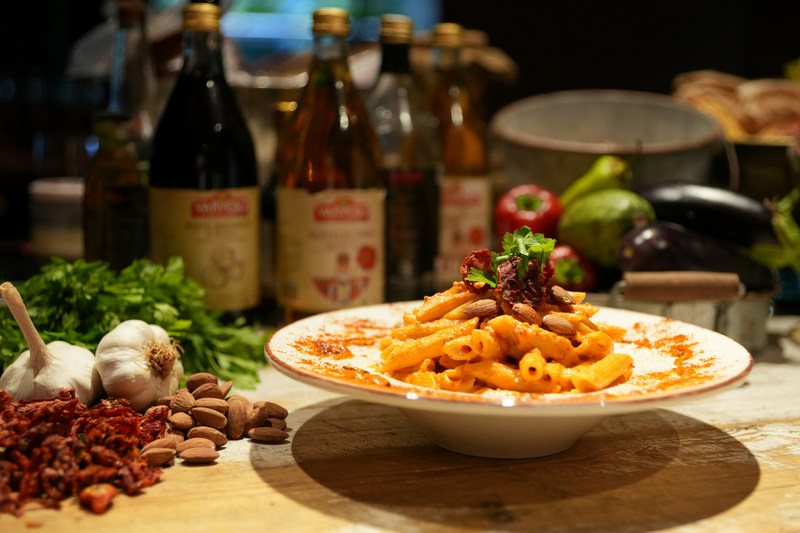
This award paves the way for potential tourism growth. It may attract more visitors eager to experience authentic Italian culinary traditions. It also inspires other nations to seek similar recognition for their food heritage.
by Emre İnan (https://unsplash.com/@emredersin)
Such global appreciation enriches Italy’s role on the world stage. This prestigious honor will likely enhance efforts to preserve and nurture traditional recipes. It highlights Italian cuisine’s adaptability, ensuring its relevance for future generations.
What makes Italian food heritage unique?
Italian food heritage is rooted in simplicity and quality. Fresh ingredients are the cornerstone of Italian cooking.
They emphasize natural flavors and time-honored techniques. The diversity of Italian cuisine is another key factor. Each region boasts its own distinct flavors and specialties. This wide variety is what makes Italian food so exciting and unique.
Italian dishes are more than just meals; they are stories. These stories are woven from local traditions and shared memories. Each dish reflects local history, culture, and climate.
Key elements that make Italian food heritage stand out include:
- Local Ingredients: Use of seasonal and regional produce.
- Regional Dishes: Unique offerings like Sicilian arancini or Tuscan ribollita.
- Age-Old Techniques: Methods passed down through generations.
- Simple Recipes: Emphasis on a few, high-quality ingredients.
- Cultural Significance: Meals as celebrations of family and community.

by Nellie Adamyan (https://unsplash.com/@nellie_adamyan)
Beyond the ingredients and recipes, Italian cuisine is about community. Family gatherings and shared meals are integral to the culture. This emphasis on togetherness enhances the dining experience. It ensures that Italian food is as much about connection as it is about taste.
The role of Italian dining traditions in cultural identity
Italian dining traditions are a tapestry of customs and rituals. These practices are deeply ingrained in Italian culture. They reflect the values and identity of the Italian people.
At the heart of Italian dining is the concept of conviviality. Meals are social experiences meant to be shared with loved ones. This emphasis strengthens family bonds and community ties. Rituals surrounding meals add layers of meaning to dining experiences. From the preparation to the enjoyment of food, each step is cherished. This makes dining a celebration of culture and life.
Key aspects of Italian dining traditions include:
- Family Meals: Regular gatherings around the table.
- Multi-Course Dining: Leisurely meals with antipasto, primo, secondo, and dolce.
- Storytelling: Sharing personal experiences and family history.
- Respect for Food: Appreciation for quality and craftsmanship.
- Special Occasions: Celebrations with traditional dishes and customs.
Italian dining goes beyond mere eating. It is a cultural experience that fosters connection and appreciation. Through these traditions, food becomes a vital part of Italian identity, enriching both everyday life and significant celebrations.
Regional diversity: A tapestry of flavors and traditions
Italian cuisine is a vibrant mosaic of regional flavors. Each area boasts its own specialties, rooted in local ingredients and history. This diversity is key to the cuisine’s global appeal.
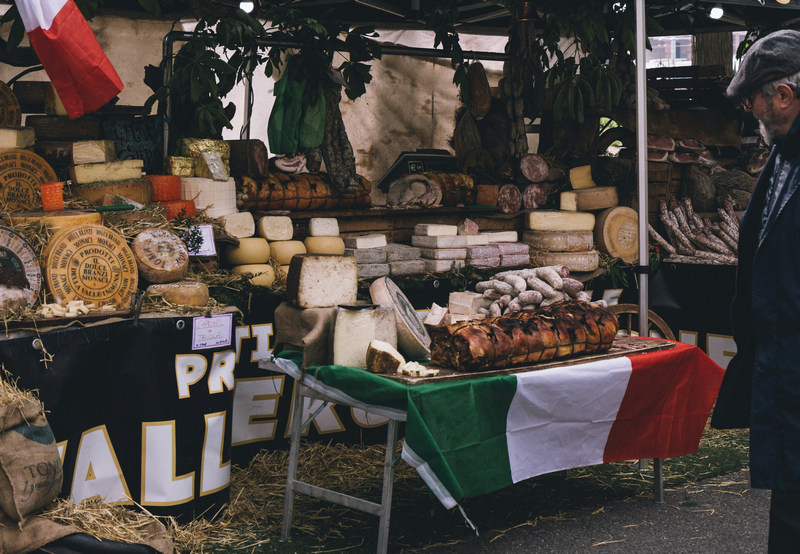
From the rich, creamy risottos of the north to the hearty pasta dishes of the south, Italy offers a rich tapestry of tastes. Coastal regions celebrate seafood, while inland areas focus on meats and cheeses. This variety reflects Italy’s diverse geography and climate.
The regions of Italy have proud culinary traditions. These are deeply linked to their local heritage. This commitment to regional identity helps preserve unique cooking methods and recipes. Here are some iconic regional dishes:
- Lombardy: Risotto alla Milanese
- Tuscany: Bistecca alla Fiorentina
- Sicily: Arancini and Caponata
- Naples: Classic Neapolitan pizza
- Emilia-Romagna: Tagliatelle al Ragù and Parmigiano-Reggiano
by Kristijan Arsov (https://unsplash.com/@aarsoph)
This regional variety in Italian cuisine fosters a deep sense of pride and connection among Italians. It highlights the country’s rich cultural tapestry and invites the world to savor its authentic flavors. Each dish tells a story of place and tradition, making Italian cuisine a global treasure.
The Mediterranean diet: Health, simplicity, and sustainability
The Mediterranean diet, a cornerstone of Italian cuisine, is celebrated for its health benefits. Rich in fruits, vegetables, whole grains, and healthy fats, it supports heart health and longevity. This diet emphasizes balance and moderation, aligning with modern wellness trends. Simplicity is central to the Mediterranean lifestyle. Italian dishes often feature just a few fresh, high-quality ingredients, allowing natural flavors to shine. This approach not only enhances taste but also makes cooking accessible and enjoyable.
Sustainability is woven into the fabric of the Mediterranean diet. Seasonal produce and local ingredients reduce environmental impact and support biodiversity. The focus on plant-based foods and sustainable practices encourages a mindful connection with nature.

by Seval Torun (https://unsplash.com/@sevaltorun)
In adopting the Mediterranean diet, individuals embrace not just a way of eating but a holistic approach to life. This commitment to health, simplicity, and sustainability fosters well-being for both people and the planet.
Preserving and promoting Italian culinary arts
Italian culinary arts are a vital part of the nation’s cultural fabric. The recent UNESCO recognition not only honors the tradition but also strengthens efforts to preserve it. This status safeguards recipes and practices passed down through generations.
Educational initiatives are key to promoting Italian cuisine’s rich heritage. Schools and workshops offer courses on traditional cooking methods. These programs ensure that young chefs appreciate historical techniques while inspiring innovation.
Community involvement is crucial in maintaining Italian food heritage. Local events and food festivals celebrate regional specialties, keeping traditions alive. These gatherings foster a sense of pride and connection to ancestral roots.
Efforts to preserve and promote Italian culinary arts include:
- Establishing culinary schools and training programs
- Hosting local food festivals and events
- Documenting traditional recipes and food practices
Preserving Italian culinary arts fosters a deeper connection with history and culture. UNESCO recognition elevates this pursuit, encouraging global appreciation for Italian cuisine’s enduring legacy.
Impact of UNESCO heritage cuisine status on Italy and the world
Italy’s recent UNESCO recognition marks a historic milestone for its cuisine. This status elevates Italian food’s cultural significance on a global scale. It emphasizes the role of cuisine in preserving intangible cultural heritage.
The recognition brings economic benefits, particularly in the tourism and hospitality sectors. Visitors are drawn to Italy’s culinary events and regional specialties. This boost contributes to local economies and job creation. Globally, other nations may seek similar accolades for their cuisines, inspired by Italy’s achievement. This could lead to a broader appreciation of diverse culinary traditions worldwide.
The implications of UNESCO status include:
- Increased global interest in Italian culinary tourism
- Boost in local economic development through food-related activities
- Inspiration for other countries to preserve and honor their culinary heritage

by Inés Castellano (https://unsplash.com/@inecastellano)
Overall, this recognition fosters international understanding and appreciation of food as a cultural link. It sets a precedent for celebrating and preserving culinary arts worldwide. Italian cuisine now leads the way in showcasing how food reflects cultural identity and shared history.
Italian cuisine’s global influence and future legacy
Italian cuisine’s global reach is undeniable. Italian dishes, like pizza and pasta, are loved worldwide. This widespread popularity showcases Italy’s culinary influence on international tastes and dining practices.
Italian restaurants can be found in nearly every corner of the globe. This presence highlights the adaptability and enduring appeal of Italian food. Chefs around the world draw inspiration from Italy’s emphasis on fresh, high-quality ingredients.
Looking ahead, Italy’s culinary legacy promises to endure through innovation and tradition. Young chefs are eager to explore traditional recipes and create new interpretations. This dynamic approach ensures that Italian cuisine remains vibrant and relevant for future generations.
In Italy and beyond, the focus on seasonal ingredients and simple preparations continues to win hearts. As food trends evolve, the essence of Italian cooking—balance and harmony in flavors—remains timeless. This legacy of excellence cements Italian cuisine’s place at the heart of global culinary traditions.
Conclusion: A celebration of Italian food heritage
The UNESCO recognition of Italian cuisine marks a historic milestone. It celebrates Italy’s rich culinary traditions. These traditions form a vital part of the country’s cultural identity and heritage. This award serves not only as an honor but also as a call to action. Preserving and promoting traditional Italian food practices is crucial. It inspires continued passion and dedication among chefs and food lovers alike.
Italian cuisine’s UNESCO status elevates its role in global culinary conversations. It emphasizes the power of food to connect people and cultures.
As we celebrate this achievement, we look forward to sharing and savoring the timeless flavors of Italy’s culinary artistry. This legacy will undoubtedly inspire future generations to cherish and innovate within the world of Italian cuisine.