Ever scrolled through Instagram and seen an outfit that’s stunning, bizarre, or a bit of both, and wondered, “Where did that come from?” Chances are, the journey started on a runway at a place like Milan Fashion Week. It’s a good question to ask who would wear those fancy outfits. The answer shows how the future of your closet is shaped.
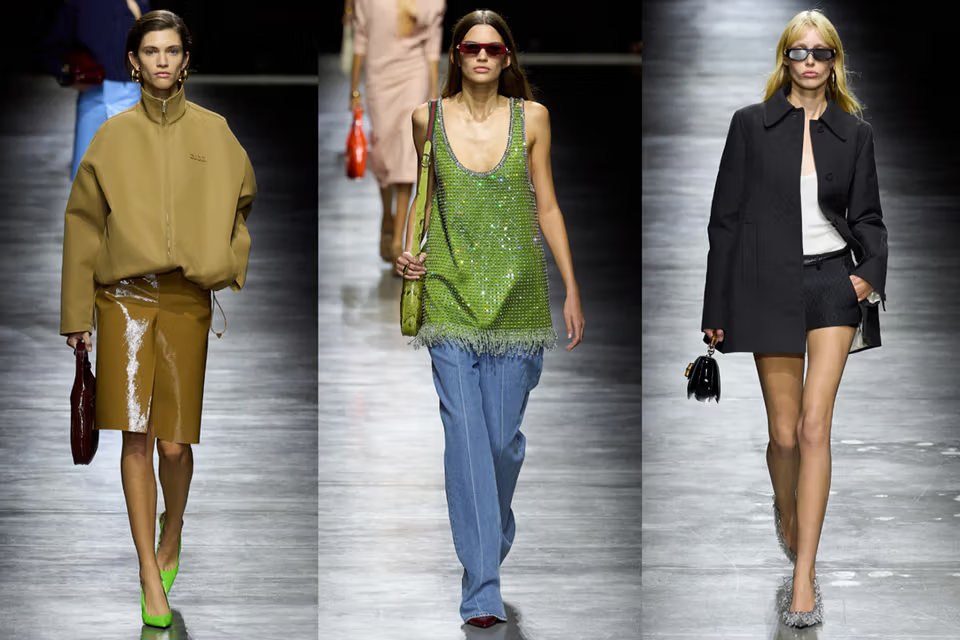
Milan Fashion Week 2026: Dates & Insider Guide
Think of a runway show less like a shopping catalog and more like a movie trailer. It’s a stunning 15-minute preview meant to show big ideas.
This includes a surprising new color, a bold shape, or an unusual fabric. These shows aren’t just selling a complete look. They are introducing the upcoming fashion trends that designers, buyers, and editors will discuss for the next six months.
From there, the most powerful ideas begin to flow into the mainstream. The “trickle-down” effect means that special designs, like a Gucci jacket sleeve or a Prada dress color, become everyday styles. These unique fashion elements are adapted for regular use.
This is why fashion week matters: it’s not just about what models wear on the runway. It’s also about the colors and styles that will end up in stores.
These styles can be found in department stores and Zara. They influence everything from Milan Fashion Week street style to your next favorite sweater.

So, What Actually Is Milan Fashion Week?
Think of Milan Fashion Week less as a red carpet party and more as the world’s most glamorous trade show. While celebrities certainly add to the buzz, the most important guests are the retail buyers and the press. These are the people who decide what you will see in magazines. More importantly, they choose what will be available to buy in stores like Nordstrom or online at Net-a-Porter in six months.
The industry also operates on a forward-looking seasonal calendar. The dazzling collections shown in the fall—say, September 2025—are actually for the following Spring/Summer 2026 (SS26). Likewise, shows in February preview the next Fall/Winter (FW) collection. This six-month lead time is important. It gives brands the time they need to make the clothes that buyers just ordered.
Ultimately, every spectacular 15-minute runway show is a high-stakes business pitch.
It’s designed to create a story that gets the press excited and convinces buyers to stock their shelves. This biannual event is the powerful engine that determines which trends will go from the catwalk to your closet.
Mark Your Calendar: The Official Milan Fashion Week 2026 Dates & Schedule
You might be wondering who coordinates this massive, city-wide event. The official schedule is not random. It is carefully planned by the Camera Nazionale della Moda Italiana (The National Chamber of Italian Fashion). Think of them as the main group in charge. They make sure Italy’s best design talent shines on the world stage. They also inform the whole industry about when and where to be.
The Camera sets dates for four fashion weeks each year. These are divided between menswear and womenswear. Here are the projected dates for 2026:
- Men’s Fashion Week (FW 26/27): Mid-January 2026
- Women’s Fashion Week (FW 26/27): Mid-to-late February 2026
- Men’s Fashion Week (SS27): Mid-June 2026
- Women’s Fashion Week (SS27): Mid-to-late September 2026
While the men’s weeks in January and June set important trends, the main events for global buzz are the Women’s Fashion Weeks. These are the blockbuster showcases where Milan’s legendary design houses reveal the collections that will define the season.
Milan’s Heavy Hitters: The Key Designers Who Define Italian Style
The vast majority of collections shown are prêt-à-porter, which is French for “ready-to-wear.” Ready-to-wear clothes are different from unique, hand-sewn haute couture. They are real items like coats, dresses, and bags.
These clothes are made to be produced and sold in stores worldwide. These shows are a spectacular preview for the clothes that will actually hang on a rack.
Every fashion capital has its own distinct flavor. Paris is known for its artistic beauty. London is famous for its rebellious spirit. Milan, however, stands out for its bold luxury. It is known for excellent craftsmanship and a touch of high-energy glamour. It’s fashion that is both exquisitely made and designed to make you feel powerful and polished.
This powerful identity is championed by a handful of legendary Italian houses, each with a unique personality. Prada often sets an intellectual, minimalist tone with clever, thought-provoking designs. Versace turns up the volume with bold, sexy, and glamorous looks that are pure rock-and-roll energy. Meanwhile, Fendi showcases a rich, sophisticated luxury, demonstrating masterful craftsmanship with materials such as leather and fur.
While these big names get attention, Milan is also important for new talent.
Watching the rising Italian designers helps insiders see the future. But whether from an established powerhouse or a rising star, the clothes on these runways are all sending signals about what comes next.

Future Forecast: 3 Key Trends We Expect to See at MFW SS26
Decoding the signals sent from the runway is simpler than you might think. Insiders notice patterns in the big shows. These patterns usually fit into three categories: a main color, a new shape, and a popular fabric or texture. By watching for these, you can get a clear picture of the upcoming fashion trends from Italy long before they hit the mainstream.
For Spring/Summer 2026, all eyes will be on the interplay between structure and fluidity. Expect to see a powerful, energetic color like Electric Cobalt splashed across everything from tailored suits to flowing dresses.
This vibrant blue will likely be paired with a sculpted shoulder focus. Think less ’80s excess and more about sharp, defined tailoring that gives blazers and even simple tops a feeling of strength and presence. It’s a silhouette that communicates confidence.
You’ll also see a fascination with high-shine finishes. While a designer might send a head-to-toe liquid silver dress down the runway, this trend will trickle down in more wearable ways. Check out the details: a shiny patent leather handbag, a satin blouse that shines, or a pair of polished boots. It’s a way to add a touch of Milan’s signature glamour to an everyday outfit without feeling over-the-top.
When you start seeing electric blue jackets and shiny accessories in stores next year, you’ll know where it all started. Seeing these trends emerge is an experience in itself, and you don’t always need a front-row seat to be part of the action.

How You Can Actually Experience MFW (Without an Invitation)
It’s a common misconception that Milan Fashion Week is a closed-off, insiders-only event. In reality, the best parts of the week are more accessible than ever. Thanks to the internet, the runway now comes to you. The official organizer, Camera Nazionale della Moda Italiana, livestreams nearly every major show for free, giving anyone a digital front-row seat.
You can watch the collections unfold in real-time, right alongside industry buyers and editors. Here’s how:
- During MFW, head to the official Camera Nazionale della Moda Italiana website.
- Find the digital calendar or a section labeled “Live.”
- Simply click on the designer show you want to see at its scheduled time.
Beyond the screen, much of the week’s creative energy happens on the streets. The areas outside the big shows for brands like Prada or Fendi transform into a real-world runway. This is the world of “street style,” where editors, models, and fashion lovers showcase their own looks. It’s a vibrant, public spectacle and the best place to see how runway ideas translate into personal style.
What to Wear in Milan: A First-Timer’s Guide to Street Style
If you’re inspired to check out the street style scene, you might be wondering what to wear. The secret to Milanese elegance can be summed up in one perfect Italian word: Sprezzatura. This means a kind of “studied carelessness”—the art of looking impeccable without appearing to have tried too hard. It’s not about wearing head-to-toe designer logos; it’s about projecting an air of relaxed confidence.
For a foolproof approach, use a simple three-part formula. First, choose one timeless statement piece, like a great trench coat or leather jacket. Second, pick one high-quality basic, such as perfectly fitted jeans or a simple silk shirt. Finally, add one personal accessory that tells a story, like a vintage scarf, unique sunglasses, or a standout bag. This combination ensures you look put-together but not over-styled. The focus is always on the fit and the quality of the fabric, which does more talking than any flashy trend.
Milanese street style rewards authenticity over spectacle. The biggest mistake isn’t being underdressed, but rather looking like you’re wearing a costume.
Instead of piling on every new trend, choose pieces that feel like you. This easy elegance shows the true spirit of Milan Fashion Week. You can bring this style from the streets of Italy into your own wardrobe.
From Runway to Your Wardrobe: How to Be a Smarter Shopper
Now, the seemingly distant world of Milan Fashion Week is more accessible. You understand the journey from runway concept to retail reality.
The next time you shop, look for runway trends.
You might see a certain color, a unique shape, or a popular fabric. Seeing these trends as they appear is not just about being informed. It’s about understanding the reasons behind what we wear. This makes you a more aware observer of style.