There’s a moment, driving along the ridge, that will stop you in your tracks.
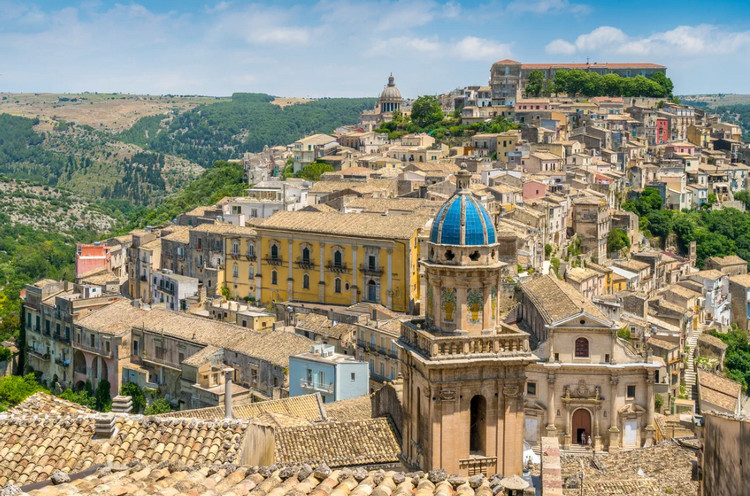
A whole city suddenly appears below. It is a stunning view of honey-colored houses and church domes. They cling to the side of a deep ravine.
This isn’t a painting or a film set, though it certainly looks like one. This is Ragusa Ibla, the ancient heart of one of Sicily’s most spectacular hidden gems.
Discover Ragusa: Sicily’s Hidden Gem for Travel
This extraordinary city is a real-life tale of two towns. After a terrible earthquake in 1693, the community divided. Some people built a new, organized city on the plateau above. Others stubbornly rebuilt their homes and churches in the same old places.
The result is a place with two sides. The modern Ragusa Superiore has amazing views. Below, the ancient and charming Ibla is ready to be explored.
It’s no surprise this unique landscape and its theatrical architecture have earned Ragusa a UNESCO World Heritage designation. Many visitors to Sicily go to crowded spots.
However, Ragusa Ibla is worth visiting. It offers a true sense of discovery. You will feel like you found one of Italy’s best-kept secrets.

A Tale of Two Cities: Why is Ragusa Split in Two?
The dramatic split you see today wasn’t planned; it was forged by disaster and resilience. The main event in Ragusa’s history is an earthquake. This earthquake struck southeastern Sicily in 1693. This tragedy destroyed the medieval town. Its survivors faced a tough choice: should they leave the ruins or rebuild?
In the aftermath, the city’s population divided. One group, the more affluent citizens, opted for a fresh start. They moved to a higher, flatter plateau to build a brand-new, orderly city on a logical grid plan. This became Ragusa Superiore, the modern upper town.
At the same time, another group, deeply connected to their old home, decided to rebuild on the ruins of the town. The result is Ragusa Ibla, the beautiful and chaotic maze of ancient streets clinging to the hillside below.
This historical drama is precisely what makes the city so captivating. The rivalry between the two towns led to a building boom. This created the stunning Baroque architecture of the Val di Noto. The sad split gave Ragusa its special identity. It is a city of two parts: one modern and practical, the other an ancient, artistic wonder.
Getting Lost on Purpose: Your Guide to Exploring Ragusa Ibla’s Magic
The best way to experience Ragusa Ibla isn’t with a map, but with a sense of curiosity. To truly understand its magic, you must allow yourself to get wonderfully lost. Simply wander. Every turn shows a new secret. You might find a sunny, quiet courtyard. Or you could see a narrow alley with laundry hanging. Sometimes, you get a stunning view of the gorge. This is the real joy of Ibla—the feeling of stepping into a living storybook.
Eventually, all paths seem to lead to the city’s magnificent heart: the Duomo di San Giorgio. You’ll likely see its soaring blue dome peeking over the rooftops long before you arrive. The church does not just sit in a square; it takes charge of it.
A grand staircase flows down into the lively Piazza Duomo, like a stage in a play. Check the Duomo di San Giorgio opening hours. It often closes for a long lunch break. This gives you a great chance to enjoy an espresso in the piazza below.
After the grandeur of the Duomo, seek out a moment of green tranquility at the far end of the old town. The Giardino Ibleo, or Iblean Garden, is a beautifully maintained public park offering a peaceful escape. Walk under tall palm trees. Pass by beautiful balconies at the edge of the garden. Find a bench that looks over the stunning Irminio River valley. It’s the perfect spot to catch your breath and absorb the ancient landscape.

Look Up! The Secret Language of Ragusa’s Baroque Architecture
That flamboyant style etched into every corner of Ragusa has a name:
Sicilian Baroque. But you don’t need an art history degree to understand it—you just need to feel it. This architecture is meant to delight and surprise. It has an extravagant style with cheerful cherubs, detailed stonework, and dramatic, curved facades. It’s the reason this entire region is a UNESCO World Heritage site.
Nowhere is this personality more playful than in the balconies. As you wander, make a point to look up. Instead of simple support brackets, you’ll find them held aloft by an astonishing cast of characters carved from the soft, local stone.
Grinning masks, lions, noble figures, and mythical creatures look down from their spot. They turn a simple building feature into public art.
This architectural drama wasn’t an accident; it was a defiant statement of joy.
After the terrible earthquake of 1693, the city was rebuilt to work well and to inspire hope and wonder. The architects and nobles built a grand stage. Every church, palace, and piazza has a role in this amazing show.

How to Find the Single Best View of Ragusa Ibla
The answer, perhaps surprisingly, lies not within Ibla itself, but above it. To capture that iconic, postcard-perfect vista, you must first head to Ragusa Superiore. From the lookout point near the Church of Santa Maria delle Scale, you can see the whole old town in a beautiful view. This is the money shot, the spectacular view you came for.
For a truly unforgettable photo, time your visit for the late afternoon.
As the sun begins to dip, it bathes Ibla’s limestone buildings in a warm, golden light that feels utterly cinematic. Once you’ve soaked in the view, you’ll be itching to dive into that enchanting scene below. The journey down is an adventure in itself.
From Superiore to Ibla: The Best Ways to Conquer the Hill
How do you bridge the gap between the panoramic views of Superiore and the ancient streets of Ibla? You have two excellent options, each offering a different experience. The choice depends entirely on whether you’re seeking stunning scenery or pure convenience.
For the most memorable journey, take the scenic walk. The main route down is a grand staircase of 242 steps known as the Salita Commendatore. Don’t let the number scare you. It’s a nice 15- to 20-minute walk down. You will find great photo spots at every turn. As you walk past small chapels and balconies filled with flowers, you see the terracotta rooftops of Ibla. The large dome of the Duomo stands out and looks even more impressive.
If you want to save your energy for exploring Ibla’s winding alleys, take the local bus. It will help you avoid the steep trip back up! Look for the small, blue AST city buses—lines 11 or 33 run frequently and will zip you down in about 10 minutes.
Just remember to buy your ticket ahead of time from a Tabaccheria. This is a small newsstand or tobacco shop with a big ‘T’ sign.
What to Eat in Ragusa: A Taste of True Sicilian Flavor
Exploring the city’s streets is a feast for the eyes, but the real soul of the region is found on your plate. Forget the usual tourist pasta. Traditional Sicilian food in Ragusa has its own proud identity. It is different from nearby places like Modica. This is food born from the land—simple, hearty, and unforgettable.
Keep an eye out for Caciocavallo Ragusano, a famous local cheese often shaped like a rectangular block. Protected by a special designation, its flavor changes dramatically with age. When young, it’s mild and milky, but as it matures it develops a wonderfully sharp and savory character. You might find it on a cheese plate, but the true revelation is trying it grilled until it’s warm, stretchy, and delicious.
For a perfect on-the-go meal, you must try scaccia. Think of it not as a pizza, but as a savory stuffed flatbread. A thin sheet of dough is wrapped around simple fillings like tomato sauce and Caciocavallo cheese.
It is then baked into a tasty, dense parcel. It’s the ultimate Sicilian comfort food, perfect for a quick and satisfying lunch. To find real flavors, avoid the busy tourist squares. Instead, go into a small, family-run trattoria or a local panificio (bakery).
Your Perfect Ragusa 3-Day Itinerary
This simple plan balances famous sights with the joy of discovery. It gives you time to wander, relax, and eat.
- Day 1: Ibla Immersion. Spend your first day getting to know the heart of the old town. Begin your morning with a stroll through the main streets. Let the beauty of the Duomo di San Giorgio guide you to its piazza for a relaxing lunch. In the afternoon, find serenity and stunning valley views in the Giardino Ibleo public gardens.
- Day 2: The Highs and Lows. Begin your day in Ragusa Superiore for that jaw-dropping panoramic view of Ibla below. Take a scenic walk down the stairs. Spend the afternoon exploring Ibla’s quiet back alleys. Here, you will find great photo spots and feel the town’s ancient spirit. After that, enjoy an evening aperitivo.
- Day 3: A Taste of the Region. Take a short morning trip to the nearby town of Modica, famous for its unique chocolate-making tradition. Return to Ragusa for one last walk and a goodbye dinner at a cozy trattoria. This will help you remember the flavors of Sicily.
Why Ragusa is the Perfect Base for Day Trips
Ragusa is charming and can fill an entire trip. One of its best features is its location as a gateway to southeastern Sicily. Settling here allows you to venture out on some of the best day trips without the hassle of constantly packing and unpacking. You get the comfort of a home base combined with the thrill of daily discovery.
Just a short drive away lies Modica, a dramatic city built in a deep canyon and world-famous for its unique chocolate. This isn’t the creamy candy you might be used to. Modica’s chocolate follows an ancient Aztec recipe. It is “cold-processed,” which keeps the sugar crystals intact. This gives it a grainy, intense, and unforgettable crunch. When weighing Ragusa vs. Modica, don’t choose—visit both. Ragusa offers the magnificent views, while Modica provides a delicious taste of history.
Another must-see is the breathtaking town of Scicli (pronounced sheek-lee).
This beautiful Baroque gem is so charming that it has become famous. It is well-known to TV fans as a main filming spot for Inspector Montalbano. You can wander the same sun-drenched piazzas as the famous fictional detective. Even if you’ve never seen the show, Scicli’s lavish palaces and theatrical churches are sure to capture your heart.
Getting There and Getting Around
Your trip to this part of Sicily will likely start at Catania Airport (CTA). It is the closest and easiest airport to use. The drive from there is straightforward and scenic, taking about 90 minutes. While buses are available, renting a car is highly recommended. It lets you explore the beautiful countryside and nearby towns like Modica and Scicli at your own pace.
Once you arrive, heed this crucial piece of local wisdom: do not attempt to drive or park in Ragusa Ibla. The old town is a protected labyrinth of narrow, one-way streets and restricted traffic zones (ZTLs). The best strategy is simple: park in one of the large lots in Ragusa Superiore. Then, enjoy a beautiful walk or take a quick bus ride down to Ibla.
To experience Ragusa at its most magical, timing is everything. While summer brings guaranteed sun, it also brings intense heat and crowds. Instead, the best time of year to visit is during the shoulder seasons. In spring (April to June) and fall (September to October), the weather is warm and great for exploring. The town feels lively but not too crowded, and the golden light is unforgettable.
Is Ragusa Ibla Worth Visiting? Here’s Your Final Answer
So, is Ragusa Ibla worth visiting? The answer is an absolute YES. This isn’t just another beautiful town; it’s an experience. You now have the story of its strength, a guide to its building secrets, and a taste of its local flavors. It’s a place where every winding alley promises discovery and the landscape tells a story of rebirth.
You will leave feeling as if you’ve been let in on one of Italy’s most precious secrets. That perfect Sicilian escape you’ve imagined is here, waiting for you to find it.