
Stromboli Volcano
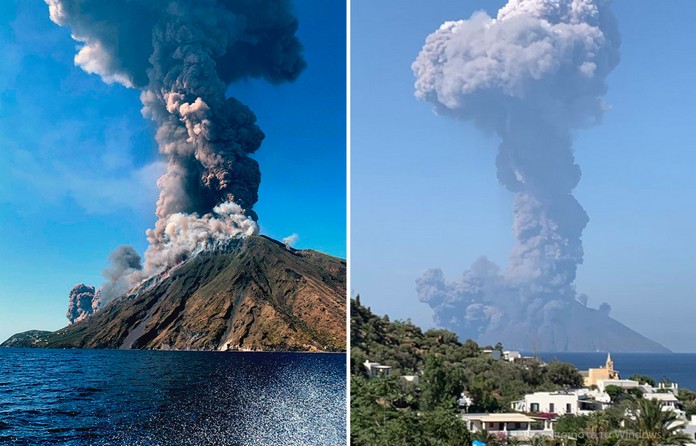 Stromboli is one of Italy’s most active volcanoes. It has erupted on an island in the Tyrrhenian Sea for over 2,000 years. The eruptions are small but frequent, often causing lava flows and explosions. Tourists love hiking up the volcano for an unforgettable experience, but it can be hazardous. In 2019, an unexpected eruption killed one hiker and injured several others. The steep slopes and unstable ground make it even more dangerous.
Mount Etna
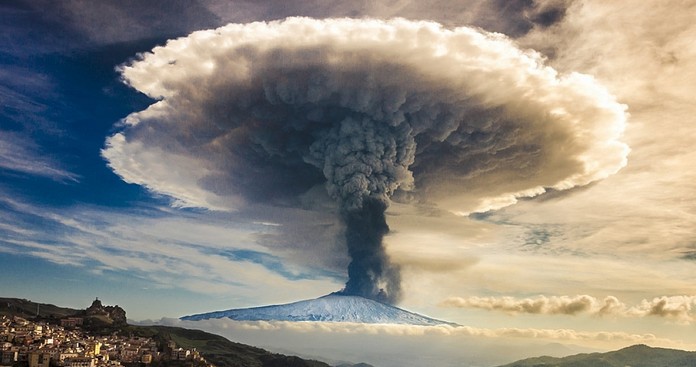 Another active volcano, Mount Etna, is Europe’s tallest and most powerful. Located in Sicily, it erupts several times a year, sometimes covering nearby towns in ash. Despite the dangers, many tourists hike its slopes and see the lava flows up close. However, sudden eruptions, toxic gases, and earthquakes make this place extremely risky.
Naples’ Crime Areas
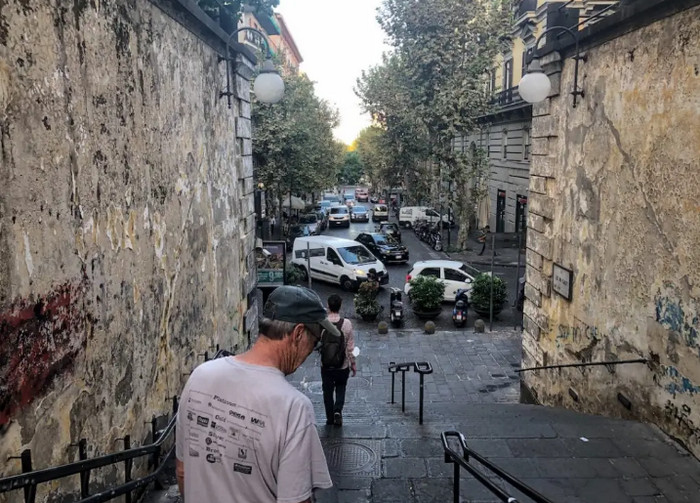 Naples is famous for its pizza, culture, and history but also has a reputation for crime. Some neighborhoods, like Scampia and Secondigliano, are controlled by the Camorra, a powerful criminal group. Pickpocketing, scams, and even violent crimes are common in certain areas. Tourists should be careful, avoid carrying valuables, and stay in well-lit, busy streets.
The Path of the Gods (Sentiero degli Dei)
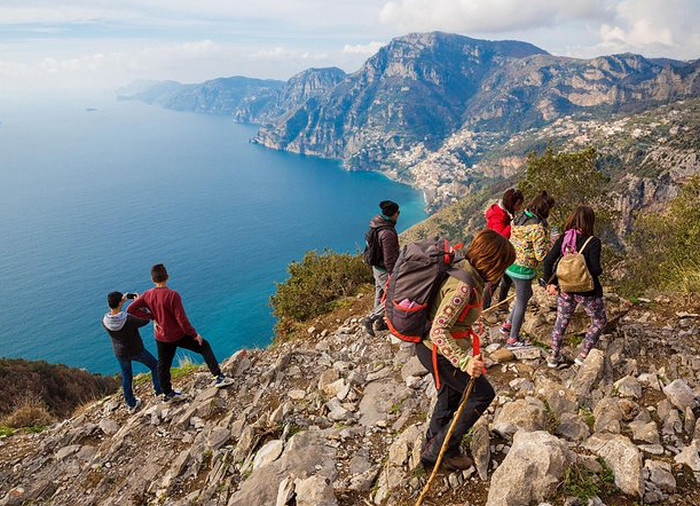 The Path of the Gods is one of Italy’s most breathtaking hiking trails. Located on the Amalfi Coast, this trail offers stunning views of the sea and cliffs. However, it is also hazardous. The path is narrow, steep, and often slippery. A wrong step could lead to a fatal fall. Many hikers underestimate the difficulty and don’t bring the right equipment. Weather conditions can also change suddenly, making it even riskier.
Gran Sasso Mountains
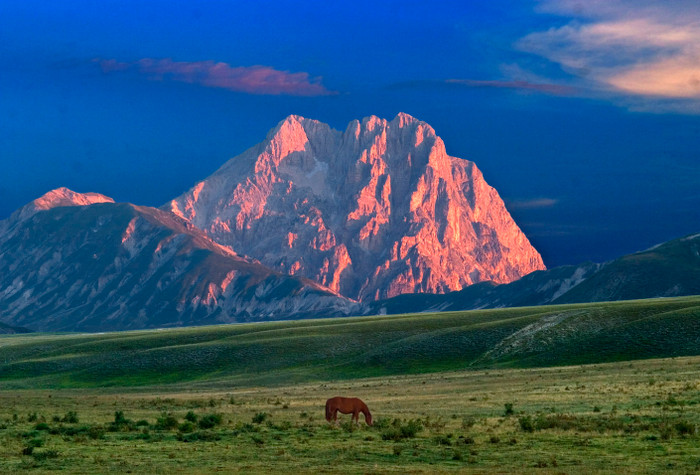 The Gran Sasso mountains in central Italy are beautiful but deadly. The region is known for unpredictable weather, avalanches, and challenging climbing routes. It is a popular destination for hikers and climbers, but many accidents happen yearly. Snowstorms can trap hikers, and falls from cliffs are common. If you plan to visit, always check the weather and follow a guide.
The Blue Grotto (Grotta Azzurra)
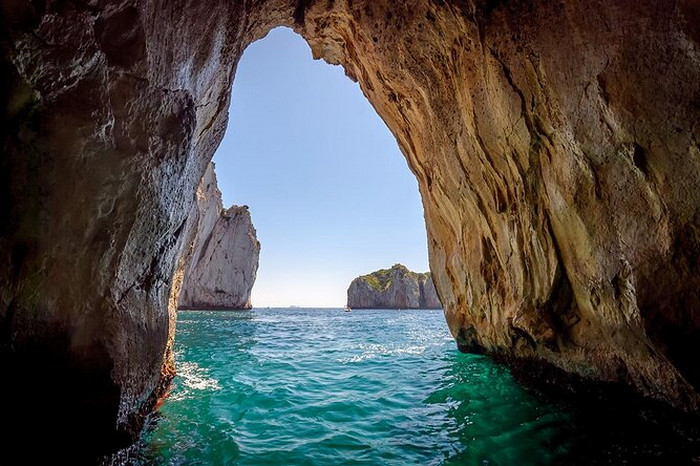 The Blue Grotto is a magical sea cave on the island of Capri. Its glowing blue water attracts thousands of tourists each year. However, the entrance is tiny, and visitors must enter on small boats. During high waves or bad weather, the cave becomes extremely dangerous. In the past, people have drowned when boats overturned or crashed against the rocks. Tourists should always follow safety rules and avoid visiting during rough sea conditions.
The Stelvio Pass
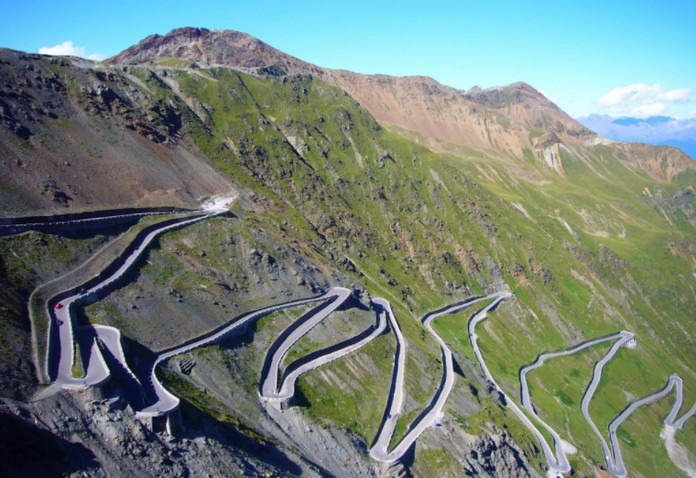 The Stelvio Pass is one of the most famous roads in Italy, known for its incredible twists and turns. It is a dream for cyclists and drivers but also very dangerous. The sharp turns, steep drops, and unpredictable weather make accidents common.The pass is covered in ice and snow in winter, making it even more deadly. If you are not an experienced driver, it’s best to admire the view from a safe distance.
Venice During High Water (Acqua Alta)
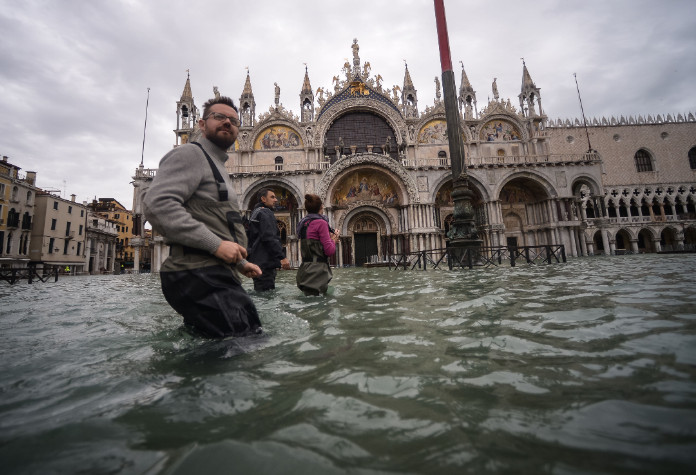 Venice is one of the most romantic cities in the world, but it has a serious problem—flooding. The city often experiences “acqua alta” (high water), especially in winter. Streets become rivers, and the famous St. Mark’s Square becomes a lake. The flooding can be dangerous, especially for elderly tourists or those unfamiliar with the area. Slippery streets and hidden underwater holes can lead to injuries. Plus, rising water levels threaten the city’s historic buildings.