Let’s get one thing straight: you won’t find Spaghetti and Meatballs in Italy. The same goes for Fettuccine Alfredo. While delicious, these are celebrated Italian-American inventions, not authentic Italian dishes you’ll find in a Roman trattoria. What you will find is a culinary world that is much more exciting. It is a place where real magic exists in dishes you may not know about. Each dish has its own story to share.
Food Travel in Italy: Discover Authentic Culinary Delights
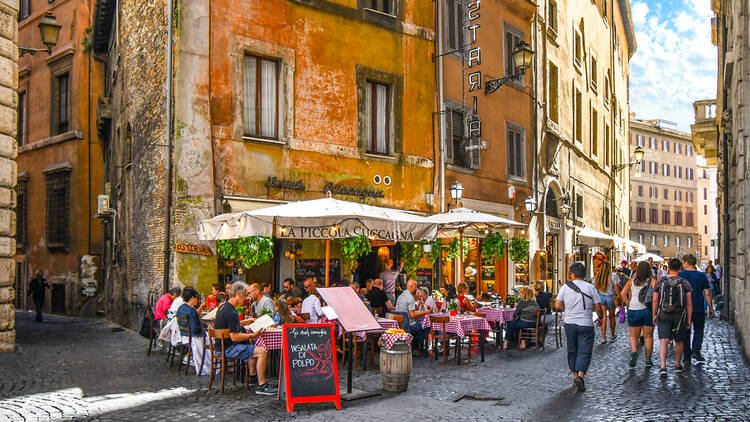
This journey of discovery is the essence of food travel.
It’s an approach that treats food not just as fuel, but as a direct lens into a country’s culture, history, and heart. A simple plate of pasta tells a story about a region’s agriculture and its people’s ingenuity. In practice, this means every meal becomes a connection, transforming a good trip into an unforgettable experience.
There is no better place to begin this adventure than Italy. It’s famous food feels easy to enjoy. However, its true cooking styles are very regional and often misunderstood. This offers a lifetime of surprises. If you want to taste a country’s soul, food travel in Italy is the best and most delicious place to start.
The Golden Rule of Eating in Italy: Forget “Italian Food,” Think “Regional Food”
Before you even think about booking a flight, the most important thing to understand is this: there’s no such thing as “Italian food.” It’s a collection of 20 different cuisines. Think of it like barbecue in the United States—you wouldn’t expect to find Texas-style brisket in North Carolina, right? The same logic applies in Italy.
Each region has its own history, climate, and ingredients. This creates a unique food culture that locals protect and celebrate.
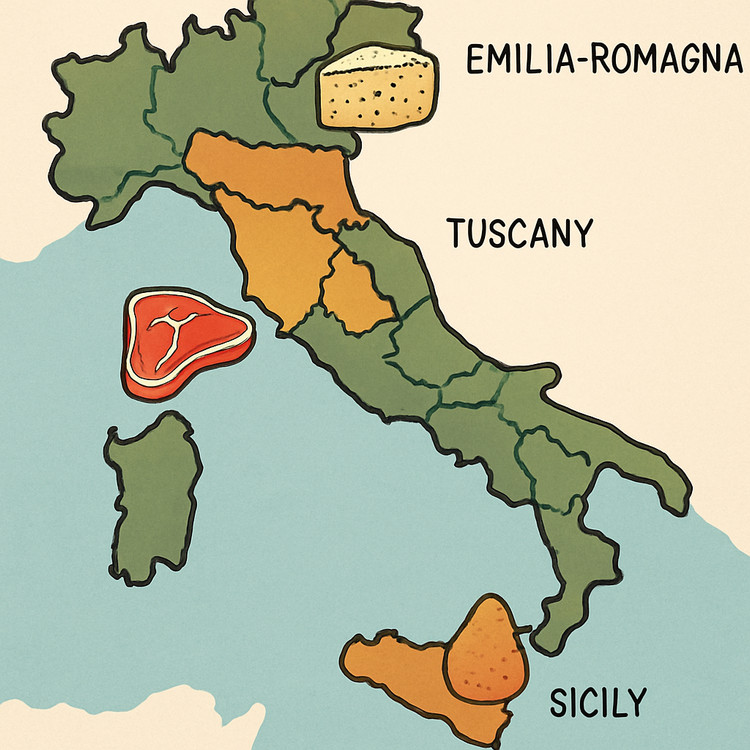
This regional pride means the food changes dramatically as you travel. In the northern region of Emilia-Romagna, you’ll find rich egg pastas smothered in slow-cooked meat sauces called ragù. Head south to Sicily, and the menu changes. You will find fresh seafood, citrus-flavored dishes, and amazing fried rice balls called arancini. Asking for a classic Roman dish in Venice is like asking for a lobster roll in Chicago. They just don’t do it well.
So, what does this mean for you? It means the secret to an incredible food trip is to eat locally. Instead of searching for a familiar dish, your goal should be to discover the specialty of the town you’re in. This shift in mindset is your key to unlocking Italy’s most authentic flavors. So, once you’re in a local trattoria, how do you make sense of the menu?
How to Decode an Italian Menu (and Not Accidentally Order Five Courses)
Staring at a menu in an authentic Italian trattoria can be intimidating. Instead of “appetizers” and “main courses,” you’ll see a list of unfamiliar categories. This layout is not meant to confuse you. It is a guide for a traditional meal. Understanding it is the key to eating like a local. The structure is built around a series of smaller, distinct courses, each with a specific role.
A full menu is typically broken down into five sections. Think of them as optional chapters in your dining story:
- Antipasto (The Opener): Meaning “before the meal,” this is the starter course. Expect things like a platter of local cured meats, cheeses, or bruschetta.
- Primo (First Course): This is not the main event! It’s the pasta, risotto, or soup course. This is why pasta portions in Italy are smaller than you might expect.
- Secondo (Second Course): Here’s your main protein. It’s usually a simple preparation of meat or fish, served on its own.
- Contorno (Side Dish): Any vegetables or potatoes you want with your secondo are ordered separately from this section.
- Dolce (Dessert): The sweet finish, from tiramisù to a slice of cake.
Now for the most important tip: almost no one orders all five courses. It’s perfectly normal to choose just two. A common lunch consists of antipasto and primo. For dinner, people often have a primo and a secondo. This flexible approach lets you mix and match, trying exactly what you’re in the mood for without feeling overwhelmed.
The Secret of Aperitivo: Your Guide to Italy’s Delicious Happy Hour
Ever wonder what Italians do before their famously late dinners? They enjoy aperitivo, one of the country’s most beloved rituals. Italy’s version of happy hour is more than just a drink before dinner. It is a beloved social tradition. This time is meant to help you relax, socialize, and get your appetite ready. Typically held between 6 and 9 p.m., it’s the perfect bridge between a day of sightseeing and an evening meal.
When you order a drink at a bar offering an aperitivo, it often comes with complimentary food. This can be a simple bowl of potato chips and olives. It can also be a big buffet with cheeses, cured meats, small pizzas, and pasta salads.
This style is very popular during happy hour in Milan. You simply purchase your drink, and the snacks are included. It’s a fantastic value and a wonderful way to sample local flavors without committing to a full meal.
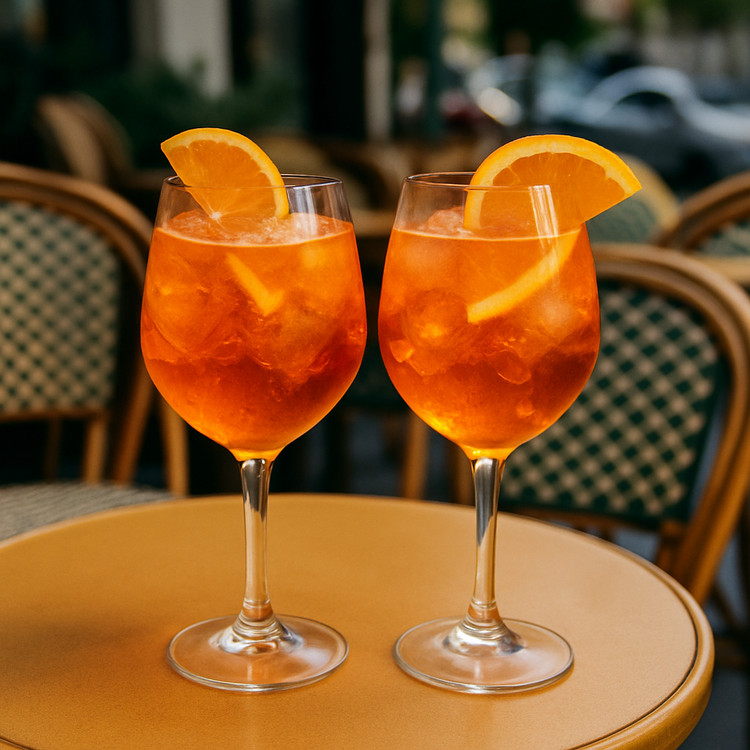
So, what should you drink in Italy to join in? You can’t go wrong with a classic spritz, like the vibrant orange Aperol Spritz you see here.
It’s bubbly, refreshing, and just the right amount of bittersweet. For something a bit bolder, try a Negroni—a sophisticated mix of gin, Campari, and sweet vermouth. Whichever you choose, take your time. The aperitivo is not about drinking fast. It’s about taking your time and enjoying the evening like a true Italian.
How to Spot an Authentic Restaurant and Avoid Tourist Traps in Venice
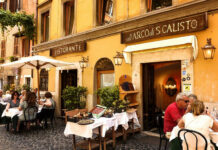
Venice’s enchanting, maze-like streets are magical, but they can also lead straight to a disappointing, overpriced meal. With many restaurants trying to get your attention, finding real ones is the key to a tasty trip. Instead of going to the first place you see, use these simple signs. They can help you tell a tourist trap from a hidden local gem.
Think of it as a game of “Red Flag, Green Flag.” The more red flags you spot, the faster you should walk away.
- Red Flags (Tourist Traps)
- A host stands outside, trying to hustle you in.
- The menu is huge, laminated, and has photos for every dish.
- It’s located right on a main square with a perfect view.
- Green Flags (Local Gems)
- A short, one-page menu, often only in Italian (a great sign!).
- It’s tucked away on a quiet side street or small canal.
- The chatter inside is mostly from Italian-speaking locals.
That short menu is your single best clue. It doesn’t mean limited options; it means the chef is focused on quality, cooking with fresh ingredients bought that morning.
A giant menu often means a giant freezer. Trusting these small signals is the key to eating well, and it applies to more than just dinner. In fact, similar unwritten rules govern another Italian obsession: the coffee bar.
Why You Shouldn’t Order a Cappuccino After 11 AM (And Other Coffee Rules)
In Italy, coffee comes with its own cultural guidelines, and the most famous one involves milky drinks. Ordering a cappuccino after breakfast (roughly 11 a.m.) will likely earn you a puzzled look. It isn’t about being snobby; it’s about digestion. Italians think of milk as a breakfast drink. A heavy, frothy drink is too much after a big lunch or dinner. For an afternoon pick-me-up, do as the locals do and switch to a simple espresso.
The “where” is just as important as the “when.” Most Italians drink their coffee quickly, standing right at the counter, or al banco. It’s the fastest and cheapest way. You’ll often pay at the register (cassa) first, then present your receipt to the barista. If you sit at a table (al tavolo), be aware you’ll pay more for service and the luxury of lingering.
Finally, know what to ask for. If you simply request “a coffee,” or un caffè, you won’t get a big mug of drip coffee. You’ll receive a small, powerful shot of espresso, the default across the entire country. Using these small rituals helps you fit in. They can also save you a few euros on each cup. This is a great tip for making the most of your travel budget.
How to Plan an Amazing Culinary Trip to Italy on a Budget
Eating your way through Italy doesn’t have to empty your wallet. One of the best local secrets is to make lunch your main meal of the day. Keep an eye out for signs advertising a menu del giorno or menu a prezzo fisso (fixed-price menu). For around €10-€15, you can enjoy a fantastic two-course meal, often including water and wine. It’s how local workers eat well without overspending, and it’s your key to an amazing, affordable feast.
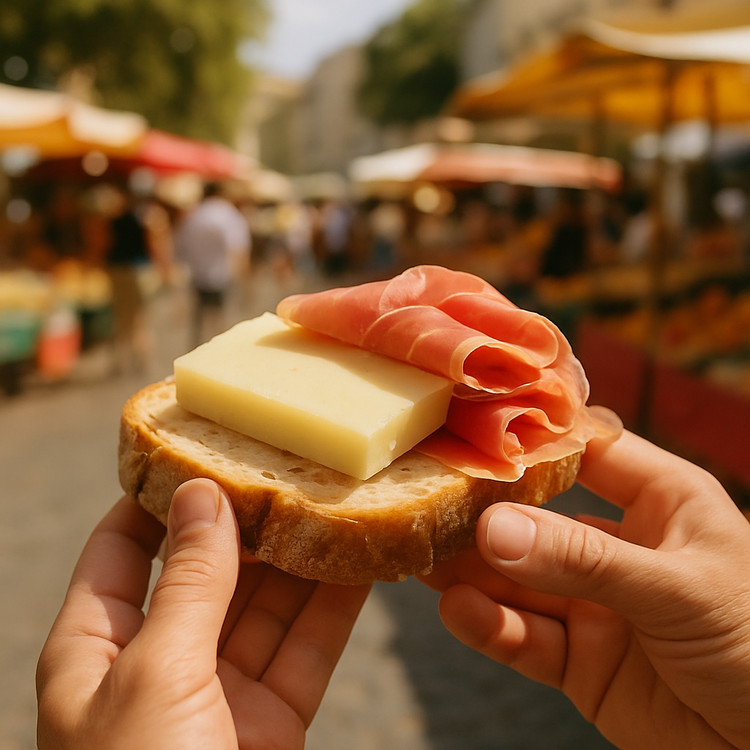
For an even more flexible and budget-friendly option, embrace Italy’s vibrant outdoor markets (mercati). Here, you can wander past stalls piled high with regional cheeses, cured meats, and fresh-baked bread. Grab a few items that catch your eye, perhaps some olives or ripe tomatoes, and find a sunny spot in a nearby piazza. You have just made a tasty and cheap picnic. It lets you enjoy the best local ingredients in their simplest form.
Finally, remember that pre-dinner ritual, the aperitivo? It can also be your secret weapon for a light, affordable dinner. While meant to whet your appetite, many bars offer such a generous spread of snacks that it can easily substitute for a full meal.
For the price of one drink, you can enjoy a plate of tasty snacks. This is a smart and stylish way to end your day of exploring.
Your Italian Food Adventure Starts Now
You’re no longer just looking at a menu; you’re seeing a map to the real Italy.
The secret to amazing food travel in Italy is not a complicated guide. It’s about seeing things differently. Think about regions, choose simple dishes, and enjoy local customs. You’re now equipped to move beyond the tourist trail and find the true heart of the cuisine.
Ready to start planning a food trip? Your first steps are simple.
Your First-Trip Checklist:
- Pick ONE region and learn its top three dishes.
- Memorize how to order a coffee and a glass of wine.
- On your first night, join the local aperitivo ritual.
This isn’t just a list; it’s your passport to tasting Italy in the authentic, delicious way you’ve always dreamed of.