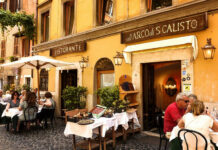
Dreaming of fresh pasta in Rome, a gondola ride in Venice, and sunshine on the Amalfi Coast? Italy is an overwhelmingly safe and welcoming country.
Safety Tips & Guide for the Question:
Is It Safe to Travel to Italy?
Travel safety in Italy is less about avoiding serious danger. It is more about avoiding common annoyances, like pickpockets in busy tourist areas. This guide provides simple, real-world tips to help you navigate the country with confidence.

We will show you what to watch for at train stations. We will explain how to act in crowds. We will tell you what to do if small problems happen. This way, you can focus on what really matters—making memories of great food, art, and culture.
What Do Official Travel Advisories for Italy Really Mean?
As you plan your trip to Italy, check the U.S. State Department’s travel advisory. It has a “Level 2: Exercise Increased Caution” warning.
This is not a “do not travel” warning. It is the usual advisory level for most of Western Europe. This includes countries like France, Spain, and the UK.
Think of it like a weather report that tells you to bring an umbrella. It’s a reminder to be ready, not a reason to cancel your plans. In Italy, this advisory is almost always issued due to petty crime, such as pickpocketing, in crowded tourist areas. It reminds us that, like in any big city, we should watch our belongings.

This is especially true when we visit the Colosseum or go through a busy train station. This formal language is just a way of saying “be aware of your surroundings.” Smart travel habits are your best tool for a worry-free vacation.
The #1 Rule to Avoid Pickpockets in Rome and Florence
The best way to avoid pickpockets in Italy is not to be paranoid. It’s about being smart in certain areas. Most incidents occur in known “hot spots.”
These include crowded areas near the Colosseum and Florence’s Duomo. They also happen on busy train platforms, like Rome Termini, and on crowded city buses. Recognizing you’ve stepped into one of these zones is half the battle.
To make yourself a difficult target, follow one simple rule: anything valuable stays in front of your body, zipped up. A cross-body bag worn on your chest is infinitely safer than a backpack or a purse dangling by your side. Your phone and wallet should be in your front pockets, never the back ones. A pickpocket is someone who looks for easy targets. If you make your valuables hard to reach, they will likely move on.
Finally, stay alert for sudden, strange interactions, as they are often a deliberate distraction. A classic tactic involves someone “accidentally” stumbling into you or a small group suddenly swarming you with a map. While you’re flustered for a second, their partner quietly lifts your wallet or phone. If you feel an unnatural bump in a crowded spot, your immediate instinct should be to place a hand on your belongings.
How to Spot and Sidestep Common Tourist Scams in Italy
Some scams are more direct. They take advantage of your politeness or confusion at famous places like the Spanish Steps in Rome or Milan’s Duomo.
The goal is to get you involved in a way that makes it hard to say no. This puts pressure on you to pay for something you never wanted.
Your best defense is to recognize the opening move and refuse to play along. A polite but firm “No, grazie” (No, thank you) while confidently walking away works every time. Don’t stop or argue. Be on the lookout for these classic setups:
- The “Friendship” Bracelet: Someone will approach you with a friendly smile, grab your wrist, and quickly tie a string bracelet on it. Once it’s on, they’ll demand payment for their “gift.”
- The “Gift” of a Rose: A man will offer a rose to a woman, often saying it’s a present. The moment she accepts it, he will turn to her partner and demand payment aggressively.
One common point of confusion for travelers happens at the dinner table. When your bill arrives, you might see a line item labeled “coperto.”
This is not a scam. The coperto is a real cover charge. It is a per-person fee found in many Italian restaurants. This charge covers the table setting, bread, and the use of the seat. Knowing about it beforehand helps you understand your bill.
Navigating Public Transport in Italy Without Fines or Hassles
Getting around on Italy’s buses and regional trains is wonderfully efficient, but comes with one crucial rule. After you buy a paper ticket, you must validate it before you board. Look for a small, often green or yellow, stamping machine on the train platform or near the bus entrance. You slide your ticket in, it makes a stamping sound, and you’re set. Skipping this step, even with a valid ticket, can result in a hefty on-the-spot fine.
On board a crowded city bus or train, the same awareness you use at landmarks applies. Keep your bag zipped and in front of you, and never store a phone or wallet in an easily accessible back pocket.
For moments when a taxi is the better option, know how to spot an official one. They are typically white, have a sign on the roof, and display the city’s crest and a license number on their doors. Most importantly, insist the driver uses the meter—the tassametro. If a driver offers a flat, unmetered fare from an airport or train station, it’s almost certainly inflated. Instead, head to the designated taxi stand and get in a licensed cab.
A Solo Female Traveler’s Guide to Italy:
Stay Safe and Confident
For women exploring Italy on their own, confidence is your best accessory. You may occasionally hear comments like “Ciao, bella!” from men as you walk by. While annoying, this is rarely a genuine threat. The most effective response is no response at all. Just keep walking with purpose, and the moment passes. This approach helps you feel in control and prevents a minor nuisance from disrupting your day.
Dining alone is a great joy of solo travel, and it is completely normal in Italy.
Whether you’re grabbing a quick pasta in Rome or enjoying a leisurely meal in a smaller town, you will blend right in. So order that glass of wine, savor your tiramisu, and enjoy the people-watching.
When choosing where to stay, prioritize hotels or apartments on well-lit main streets rather than secluded alleys. Look for accommodations with a 24-hour reception desk and, most importantly, read recent reviews from other solo female travelers. Their experiences are the most reliable indicator of a safe environment.
Is Driving in Italy Worth It?
The Truth About ZTLs and Road Safety
Renting a car to explore Italy’s rolling hills is a dream, but it comes with one major catch: the ZTL. Short for Zona Traffico Limitato, these are “limited traffic zones” in the historic centers of almost every city and town.
They are enforced by cameras, and if you drive past the sign—a white circle with a red border—you will automatically be mailed an expensive fine months later.

The best rule for car rentals in Italy is simple: park outside the historic center and walk in. Most towns, from Siena to the smallest Tuscan village, have parking lots just outside the old city walls. Using these lots allows you to explore the beautiful, pedestrian-friendly streets on foot, stress-free.
Beyond the city centers, driving in Italy isn’t as chaotic as its reputation suggests. The main highways, or autostrade, are modern and well-maintained. While local drivers can be assertive, defensive driving will see you through.
Health on the Go:
From Drinking Tap Water to Finding a Pharmacy
A simple health precaution and money-saver in Italy is drinking the tap water. It is safe, clean, and delicious. You’ll see locals and visitors alike refilling their bottles at public drinking fountains, which are a point of pride. In Rome, these spouts are lovingly called nasoni (big noses). They provide a steady flow of fresh, cold water.
For minor ailments, look for a pharmacy (farmacia). They are easy to spot thanks to the universal sign of a bright, glowing green cross. Pharmacists in Italy are highly trained professionals who can offer advice and over-the-counter remedies for common issues. You don’t need a prescription for simple things like pain relievers or cold medicine.
Pharmacies usually have what you need. However, it’s smart to bring a small first-aid kit. Pack your personal essentials, like pain relievers, allergy pills, and blister bandages. Having these on hand lets you address minor discomforts immediately.
What to Do in an Emergency: Your Simple Action Plan
For any serious emergency in Italy, from a medical issue to a crime, memorize one number: 112. It is the equivalent of 911 in the U.S. or 999 in the UK. Dialing 112 connects you to an operator. They can send police, an ambulance, or the fire department. English-speaking staff must be available.
If your passport is lost or stolen, don’t panic. First, go to the nearest police station (either the Polizia or Carabinieri) and file a report. This document is essential. With that police report in hand, your second step is to contact your country’s embassy or consulate. They will use the report to issue an emergency travel document so you can get home.
Your embassy is your home country’s support system on the ground. They do more than replace passports. They are your point of contact for serious situations, such as hospitalization or a major legal issue. They offer guidance and help when you need it most.
Travel to Italy with Confidence:
Your Final Safety Checklist
By adopting a few smart habits, safety becomes less of a concern. This lets you focus on enjoying amazing food and ancient history. This is how you transform a good trip into a great one. This final checklist covers the most critical actions to remember.
- Keep your bag zipped and in front of you in crowds.
- Know that a ‘Level 2’ advisory is a heads-up, not a “don’t go” warning.
- Validate every train and bus ticket before you board.
- Remember that 112 is the all-purpose emergency number.
- Watch for ZTL (no-drive zone) signs to avoid fines.
You are no longer just a tourist; you are a prepared and confident traveler. Now go have the adventure of a lifetime.